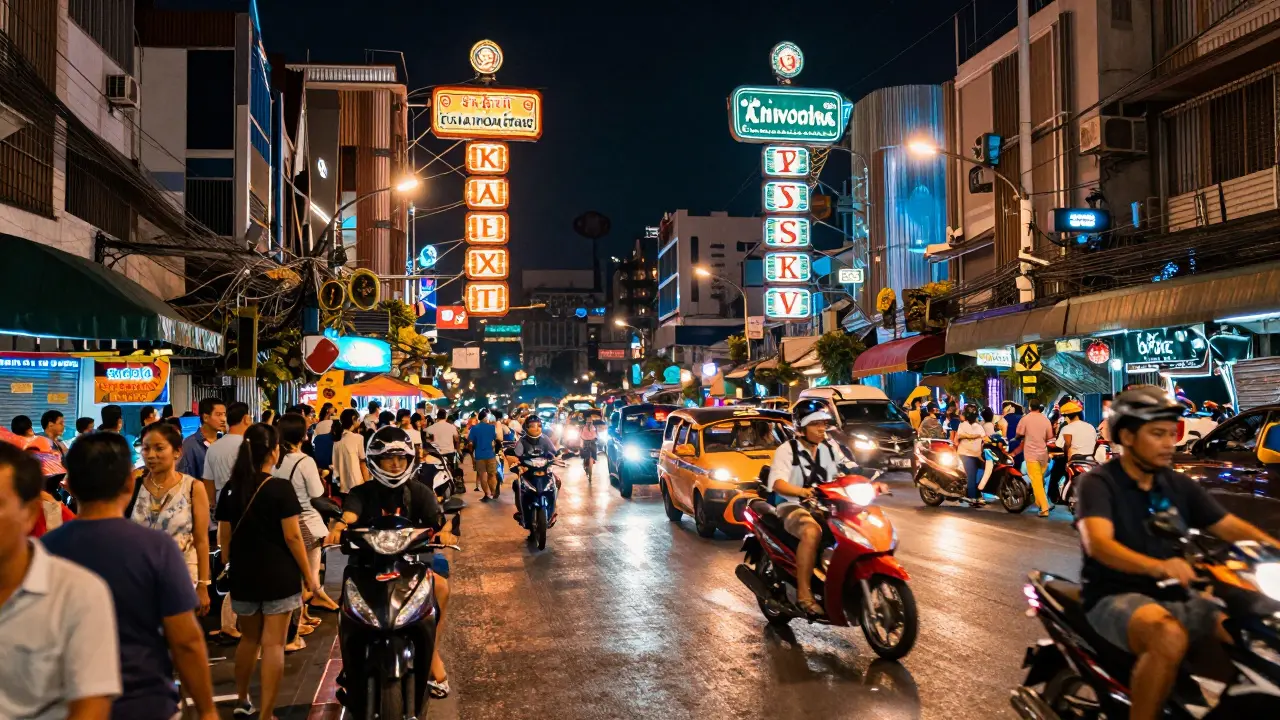
Walking down Khao San Road at midnight or cruising through Sukhumvit on a motorbike taxi can feel like stepping into a different world. The neon lights, the crowds, and the constant hum of activity create an electric atmosphere that draws millions of visitors to Bangkok, the capital city of Thailand known for its vibrant street life, temples, and nightlife every year. For many travelers, this energy is intoxicating. But beneath the surface lies a complex industry that often confuses outsiders. You might hear terms thrown around by tuk-tuk drivers, hotel concierges, or even fellow tourists who claim to know "the scene." They talk about types, prices, and hidden spots. It’s easy to get swept up in the narrative, but understanding what’s actually happening requires looking past the stereotypes.
The reality of Bangkok’s adult entertainment sector isn’t as simple as categorizing people into neat little boxes. It’s a mix of legal ambiguities, economic pressures, and international tourism dynamics. When you see someone offering services, they are rarely just "a type" of person-they are individuals navigating a difficult environment. Some are local Thai women working out of necessity, others are migrants from neighboring countries like Myanmar, Cambodia, or Laos, and some are foreign nationals drawn by the promise of easy money. Each group faces different risks, regulations, and social stigmas. Trying to label them ignores the human element and reduces complex lives to transactional roles.
The Legal Gray Area
Thailand has strict laws against prostitution, yet it operates openly in certain areas. This contradiction creates a confusing landscape for visitors. Technically, selling sexual services is illegal under the Prevention and Suppression of Prostitution Act B.E. 2539 (1996). However, enforcement varies wildly. Police raids happen periodically, especially after high-profile scandals or political pressure, but day-to-day operations continue largely unchecked in designated zones. This legal limbo means there is no official regulation, no health checks mandated by law, and no consumer protection for anyone involved. If something goes wrong-whether it’s a scam, assault, or dispute-you have very little recourse. The lack of structure also fuels exploitation, with third parties often controlling workers’ earnings and movements.
This ambiguity extends to venues. Bars, clubs, and spas may operate legally as entertainment establishments while facilitating illegal activities behind closed doors. Owners might claim ignorance if inspected, shifting blame onto individual employees. As a traveler, you need to recognize that participating in these transactions supports an unregulated system where abuse can thrive. Even if your intentions seem harmless, the broader impact contributes to a cycle of vulnerability for those working in the industry.
| Misconception | Reality |
|---|---|
| All workers are willing participants | Many face coercion, debt bondage, or trafficking; consent is often compromised by economic desperation. |
| It’s completely legal in red-light districts | Prostitution remains illegal nationwide; only ancillary services like drinking or dancing are permitted. |
| You can easily identify "types" by appearance | Appearance tells you nothing about background, nationality, or circumstances; assumptions lead to harmful stereotypes. |
| Police ignore all activity | Raids occur regularly, targeting both workers and clients; fines and deportation are real risks. |
Who Is Actually Involved?
If we move away from reductive labels and look at demographics, patterns emerge. Most workers in Bangkok’s sex industry come from marginalized backgrounds. According to reports from anti-trafficking organizations like the International Labour Organization (ILO) and local NGOs such as Prajaksapop, a significant portion are ethnic minorities or refugees from border regions. These individuals often flee poverty, conflict, or discrimination in their home countries, seeking survival rather than choice. Others are urban poor Thais who turn to sex work due to limited job opportunities, low wages, or family debts. Foreign nationals-including Westerners, Asians, and Africans-also participate, sometimes lured by false promises of lucrative careers abroad.
Nationality plays a role in how people are perceived and treated. Thai workers might blend into local bars, while foreigners could be found in upscale hotels or online platforms. Migrant workers from Southeast Asia frequently end up in lower-tier establishments with fewer protections. Age matters too, though underage involvement is strictly prohibited and heavily prosecuted when discovered. Despite this, minors remain vulnerable due to weak border controls and organized crime networks. Understanding these layers helps dismantle the myth of a monolithic "industry" and reveals a fragmented ecosystem driven by inequality.
Popular Zones and What to Expect
Bangkok’s nightlife concentrates in specific neighborhoods, each with its own vibe and clientele. Patpong, located in Silom, is perhaps the most famous. Established in the 1960s, it caters primarily to older male tourists seeking traditional bar experiences. Here, you’ll find go-go bars, massage parlors, and street-level solicitation. Prices tend to be higher here because of the tourist traffic, and scams are common. Go further east along Sukhumvit Road, and you’ll hit Soi Cowboy and Nana Plaza. These areas attract younger crowds and offer more modern venues with music, dance floors, and themed shows. While still centered around adult entertainment, they double as social hubs where locals and expats mingle.
Then there’s Thong Lor and Ekkamai, which host luxury hotels and high-end lounges. In these districts, interactions are less overtly commercialized. Services might be arranged discreetly through apps or word-of-mouth referrals. An escort Bangkok service advertised here usually implies exclusivity and privacy, appealing to business travelers or affluent tourists. Meanwhile, quieter sois off main roads house smaller shops catering to regulars. Each zone reflects different socioeconomic tiers within the same overarching framework. Knowing where you are helps set expectations-but remember, legality doesn’t change based on location.
Risks Beyond the Transaction
Engaging with this side of Bangkok carries consequences beyond moral debates. Health risks top the list. Without mandatory testing or standardized protocols, exposure to sexually transmitted infections (STIs) is a genuine concern. HIV prevalence among female sex workers in Thailand has declined thanks to public health initiatives, but other STIs like syphilis and gonorrhea persist. Condom use isn’t guaranteed, and negotiation power often favors the buyer over the worker. Then there’s personal safety. Violent incidents do occur, ranging from theft to physical altercations. Tourists unfamiliar with local customs or language barriers can become targets for extortion or fake police officers demanding bribes.
Legal repercussions shouldn’t be underestimated either. Getting caught during a raid can result in hefty fines, detention, or even deportation depending on your visa status. Some countries restrict entry to citizens convicted of sex-related offenses abroad. Reputational damage follows quickly in the digital age-photos or videos shared without consent can haunt you long after leaving Thailand. Emotional tolls matter too. Many visitors report feeling guilt, confusion, or emptiness afterward, realizing the experience didn’t match their fantasy. Reflecting on why you want to engage with this part of the culture is crucial before acting impulsively.
Cultural Sensitivity and Respect
Thai society values harmony, respect, and saving face. Openly discussing sex or displaying aggressive behavior clashes with these norms. Locals generally disapprove of foreign tourists exploiting their country’s reputation for cheap thrills. Comments made casually in English can carry heavy weight when translated back home. Dress codes apply everywhere-even in nightlife areas, modest clothing signals awareness and consideration. Avoid pointing cameras at workers unless explicitly invited; treating people as objects violates basic dignity. Instead, approach interactions with curiosity about the culture itself: try street food, visit temples early morning, learn basic phrases like "khob khun ka/krap" (thank you). These small gestures build bridges far better than transactional encounters ever will.
Supporting ethical tourism starts with education. Learn about Thailand’s history, including colonial influences and post-war development that shaped its current economy. Visit museums, attend community events, volunteer responsibly. By focusing on authentic connections rather than superficial pleasures, you contribute positively to the destination. Responsible travel doesn’t mean avoiding fun-it means making choices aligned with values of fairness and empathy. Whether dining at a family-run restaurant or exploring rural villages outside the city, prioritize experiences that uplift communities instead of draining them.
Alternatives for Nighttime Exploration
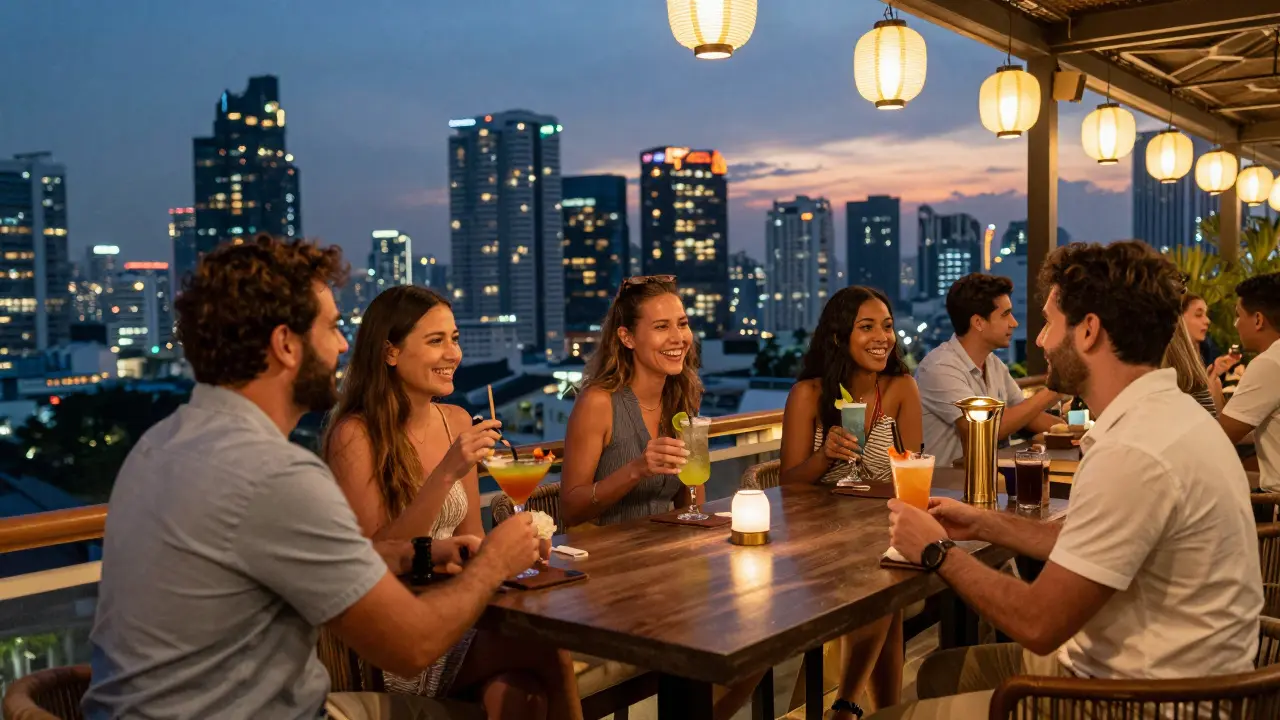
Bangkok offers endless ways to enjoy evenings without venturing into controversial territory. Rooftop bars like Sky Bar at Lebua or Octave provide stunning views of the skyline paired with craft cocktails. Live music venues in Ari or Sathorn feature indie bands, jazz trios, and electronic DJs performing nightly. Comedy clubs draw diverse audiences laughing together over shared humor. Street markets transform into culinary adventures after dark, serving pad thai, mango sticky rice, and fresh coconut juice straight from vendors. River cruises glide past illuminated landmarks, offering peaceful escapes from urban chaos. Theater productions showcase traditional dance dramas alongside contemporary plays performed in multiple languages. All these options celebrate creativity, connection, and joy without compromising ethics or safety.
For solo travelers unsure where to start, joining guided tours led by knowledgeable locals adds depth to exploration. Walking tours cover historical sites hidden in plain sight, while food crawls introduce regional flavors unique to each district. Cycling groups navigate quieter streets away from traffic jams, revealing residential charm rarely seen by mass tourists. Every path chosen shapes your memory of the trip. Opting for meaningful engagement enriches not just your journey but also the places you visit. After all, true discovery comes from seeing beyond surfaces-and respecting the humanity behind every story.
Is prostitution legal in Bangkok?
No, prostitution is technically illegal throughout Thailand under national law. However, enforcement is inconsistent, allowing certain areas to operate semi-openly despite periodic police crackdowns.
What are the biggest risks for tourists engaging in this industry?
Key dangers include contracting STIs, falling victim to scams or violence, facing legal penalties like fines or deportation, and damaging one’s reputation through unauthorized media sharing.
How can I explore Bangkok’s nightlife safely and respectfully?
Stick to reputable venues, avoid isolated locations late at night, dress appropriately, refrain from photographing strangers, and focus on cultural activities like live music, dining, or scenic tours.
Are all workers in Bangkok’s adult industry voluntary participants?
Not necessarily. Many face coercion, debt bondage, or trafficking. Economic hardship forces numerous individuals into the trade against their initial wishes, highlighting systemic issues requiring global attention.
Where can I find reliable information about ethical tourism in Thailand?
Resources from organizations like the UN World Tourism Organization (UNWTO), Responsible Travel Network, and local NGOs such as Prajaksapop provide guidelines and insights into sustainable practices supporting local communities.
Write a comment