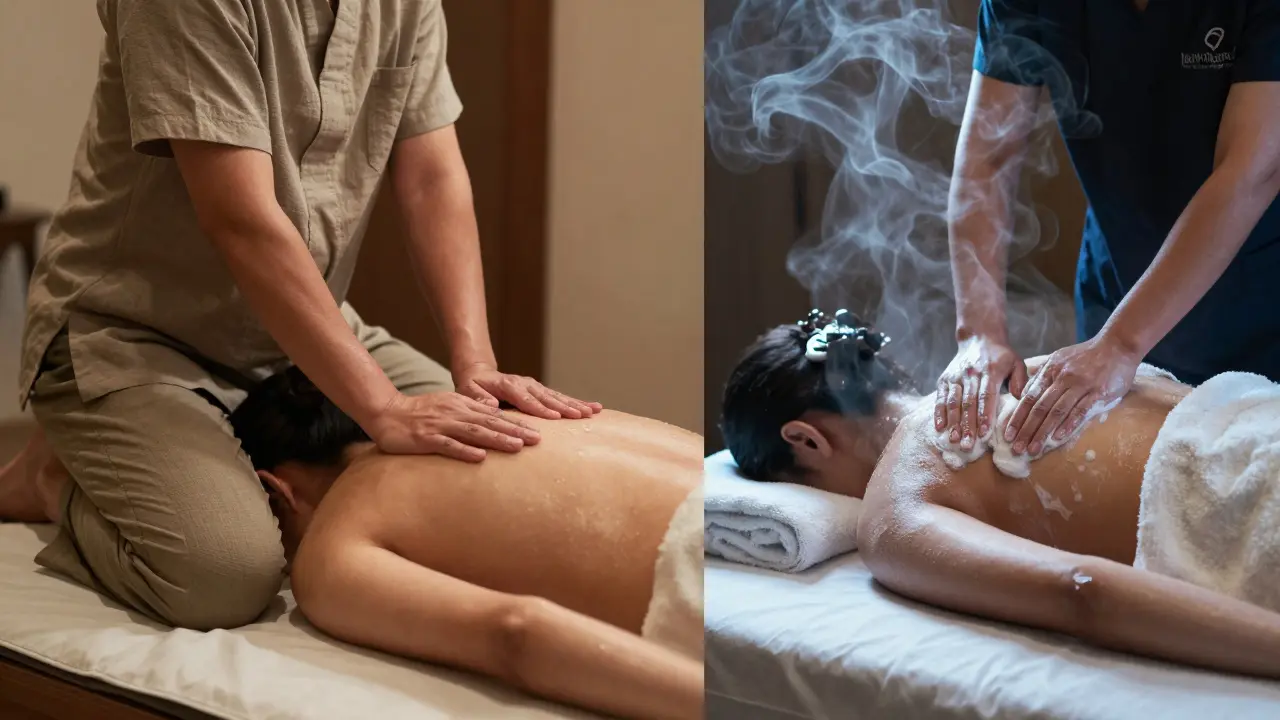
You’ve probably seen the photos. A room filled with steam, a body covered in thick white lather, and hands working muscles deep beneath the slick surface. It looks relaxing, almost cinematic. But if you are planning a trip to Southeast Asia, specifically Thailand, you might be confused about what this actually is. Is it a traditional healing practice? Is it just a fancy scrub? Or is there something else going on?
The term Thai soapy massage often causes a mix of curiosity and confusion for travelers. In recent years, social media has turned this specific type of treatment into a viral sensation. However, the reality on the ground is quite different from the polished videos you see online. Understanding the difference between legitimate therapeutic treatments and illicit services is crucial for your safety and enjoyment.
The Difference Between Traditional Thai and Soap Massage
To understand the soapy variety, we first need to look at its ancestor: Traditional Thai Massage. Known locally as Nuad Boran, which translates to "ancient massage", this practice dates back over 2,500 years. It combines acupressure, Indian Ayurvedic principles, and assisted yoga postures. There is no oil involved. The therapist uses their thumbs, palms, knuckles, knees, elbows, and feet to apply pressure along energy lines called sen. You stay fully clothed in loose cotton garments.
Soap massage, or what is sometimes referred to as Nua Thai (though this term is often misused), is a modern invention. It emerged primarily to cater to tourists looking for a more sensual experience than the rigorous stretching of traditional Thai massage. Instead of dry pressure, the client is covered in warm water and generous amounts of scented soap. The therapist then uses sliding, gliding motions to work the muscles. Because the skin is slippery, the pressure is lighter, and the focus shifts from deep tissue release to sensory stimulation.
| Feature | Traditional Thai (Nuad Boran) | Soap / Oil Massage |
|---|---|---|
| Clothing | Fully clothed | Nude or draped towel |
| Medium | Dry hands/feet | Water, soap, or oil |
| Technique | Pressure points, stretching | Sliding, stroking, kneading |
| Goal | Energetic balance, flexibility | Relaxation, sensory pleasure |
The Legal Landscape and Red Flags
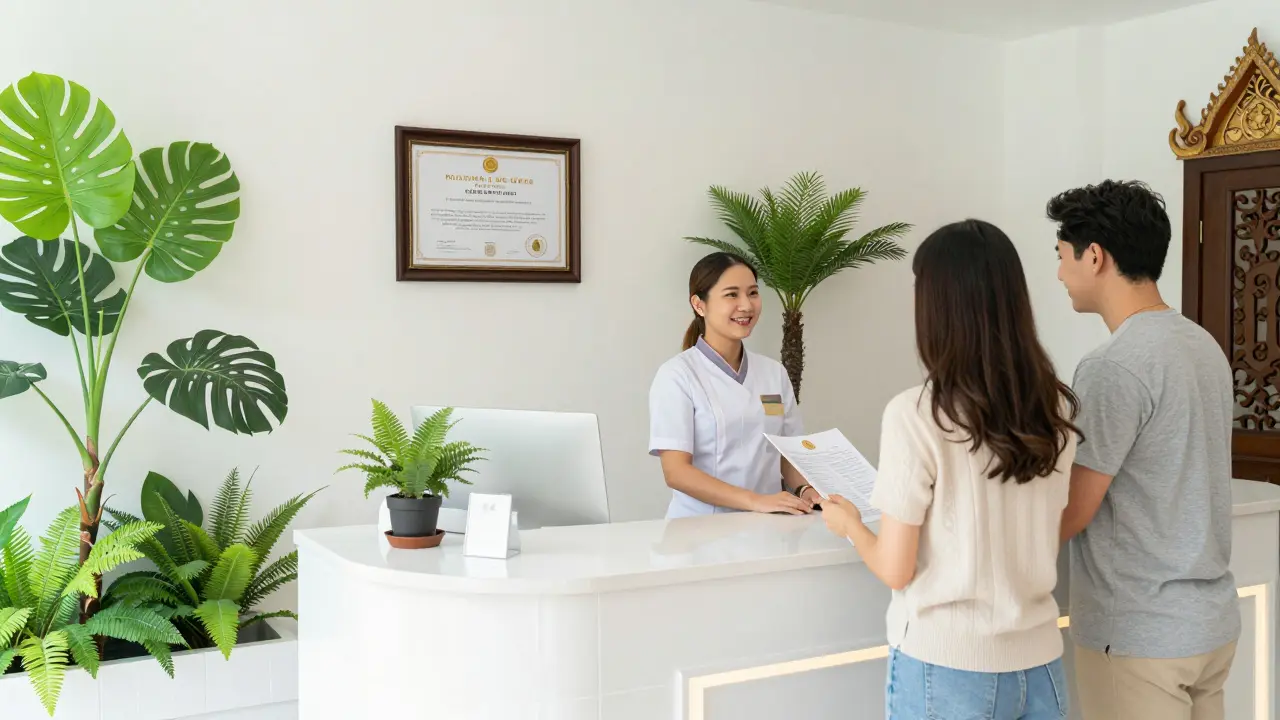
Here is where things get tricky. Thailand has strict laws regarding prostitution and sexual services. Legitimate spas are regulated by the Ministry of Public Health. They must have visible licenses, clear price lists, and professional staff uniforms. However, the demand for illicit services has created a gray market. Many establishments advertise "soap massages" knowing that some customers interpret this as code for sexual activity.
If you walk into a place that promises a "private room," "no touch" restrictions that don't make sense, or prices that seem too good to be true for a full hour of service, proceed with caution. Legitimate therapists will never ask you to leave the mat during the session, nor will they perform any act that violates local laws. If you are looking for a genuine wellness experience, stick to established chains or highly-rated independent spas in tourist hubs like Chiang Mai, Phuket, or Bangkok. Avoid small, dimly lit shops in alleyways that lack clear signage.
It is also worth noting that the internet is flooded with misleading content. Some websites claim to offer exclusive access to these services, often linking to platforms like Bangkok escort directories. These sites are not related to legitimate massage therapy. They operate in a completely different legal and ethical space. Confusing a therapeutic spa visit with adult entertainment can lead to serious misunderstandings, scams, or even legal trouble for tourists who are unaware of local regulations.
What to Expect During a Legitimate Session
If you find a reputable spa that offers a soap or oil massage, the experience should feel professional and calming. Here is the typical flow:
- Consultation: The therapist will ask about any injuries, preferences for pressure, and areas of tension. This is standard in all professional settings.
- Preparation: You will be given a private area to undress and shower. Towels and robes are provided. In many cases, you will remain draped in a towel throughout the session, exposing only the part of the body being worked on.
- The Treatment: Warm water is poured over your body, followed by soap. The therapist uses long, flowing strokes to relax the muscles. Unlike Swedish massage, which focuses on circulation, soap massage often emphasizes the glide and the warmth of the water. It is less about fixing a knot and more about washing away stress.
- Cleanup: After the massage, you rinse off in the private shower. The spa may offer herbal compresses or aromatherapy oils as an add-on.
A key indicator of professionalism is consent. At any point, if the pressure is too much or the technique feels uncomfortable, you should feel free to speak up. A good therapist will adjust immediately. If they ignore your boundaries, that is a major red flag.
Safety Tips for Travelers
Thailand is generally safe for tourists, but when it comes to personal services, vigilance is necessary. Here are some practical steps to ensure your experience is positive and secure:
- Check Reviews: Use platforms like TripAdvisor or Google Maps. Look for reviews that mention hygiene, professionalism, and pricing transparency. Be wary of places with only five-star reviews that sound generic.
- Verify Licenses: Legitimate spas display their health license prominently. If it’s missing, walk away.
- Understand Pricing: Prices vary by location. In Bangkok, a one-hour massage might cost between 800 to 1,500 THB ($25-$45 USD) at a mid-range spa. Street-side shops may charge less, but quality varies wildly. Always agree on the price before lying down.
- Avoid "Special" Offers: If a shop suggests an upgrade to a "private suite" or hints at extra services, decline politely. Stick to the menu items listed publicly.
- Stay in Well-Lit Areas: Choose spas located in main streets or shopping centers rather than secluded alleys.
Remember, your goal is relaxation, not risk. The beauty of Thai culture lies in its hospitality and tradition. By choosing reputable establishments, you support local businesses that uphold high standards of care.
Alternatives to Soap Massage
If you decide that soap massage isn’t for you, Thailand offers a wealth of other therapeutic options. Each has its own unique benefits:
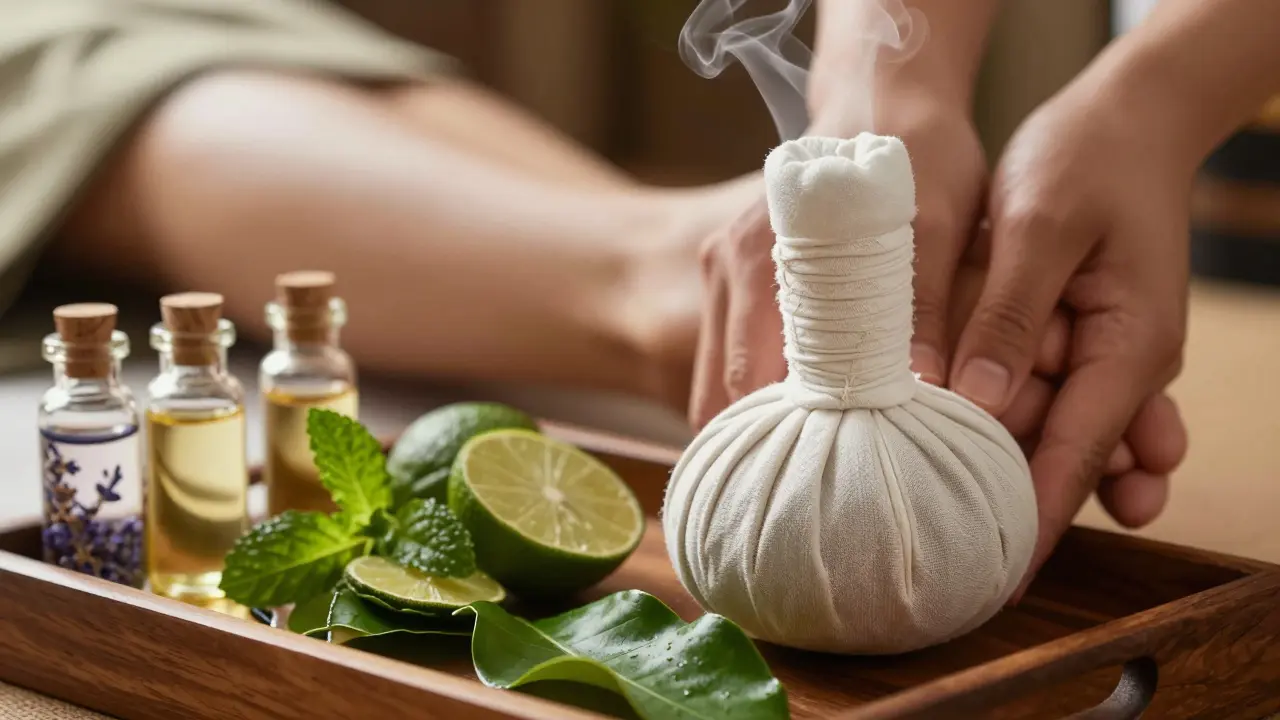
- Herbal Compress Massage: Uses steamed pouches filled with herbs like lemongrass, kaffir lime leaves, and turmeric. Great for reducing inflammation and soothing sore joints.
- Aromatherapy Massage: Similar to oil massage but uses essential oils tailored to your mood (e.g., lavender for sleep, peppermint for energy).
- Foot Reflexology: Focuses on pressure points in the feet that correspond to different organs in the body. Ideal if you’re tired after a day of sightseeing.
- Lomi Lomi: A Hawaiian-style massage that uses long, rhythmic strokes. It’s gentle and deeply relaxing, often performed in a warm, candlelit room.
These alternatives are widely available in both urban centers and rural resorts. They provide authentic cultural experiences without the ambiguity associated with soap massage.
Why Context Matters
The reason so much confusion surrounds Thai soapy massage is the blending of tourism marketing with underground economies. When you search online, you might encounter links to escort Bangkok services. These are entirely separate from the wellness industry. Engaging with such sites can expose you to malware, scams, or illegal activities. Always distinguish between a spa treatment and adult entertainment. One is a health service; the other is a vice industry. Mixing them up can ruin your trip.
Your safety and comfort depend on making informed choices. Research beforehand, trust your instincts, and prioritize licensed professionals. Thailand’s spa culture is world-renowned for a reason-it offers genuine relief and rejuvenation. Don’t let misconceptions steer you away from the real benefits.
Is Thai soapy massage legal?
Yes, a legitimate soap or oil massage is legal and regulated. However, any sexual services provided under the guise of massage are illegal in Thailand. Reputable spas operate within the law and focus solely on therapeutic benefits.
How much does a soap massage cost?
Prices vary by location and establishment. In major cities like Bangkok, expect to pay between 800 to 1,500 THB for a one-hour session at a mid-range spa. Budget street shops may charge less, while luxury hotels can charge significantly more.
What is the difference between Nuad Thai and soap massage?
Nuad Thai is a dry, clothed massage focusing on pressure points and stretching. Soap massage involves water, soap, and sliding techniques on bare skin, focusing on relaxation and sensory experience.
Are there risks associated with soap massage?
The main risks involve encountering unlicensed establishments that may offer illegal services or poor hygiene. To mitigate this, choose well-reviewed, licensed spas in safe areas.
Can I request a male or female therapist?
Most reputable spas allow you to choose your therapist's gender based on availability. This is a common practice in professional settings to ensure client comfort.
Write a comment