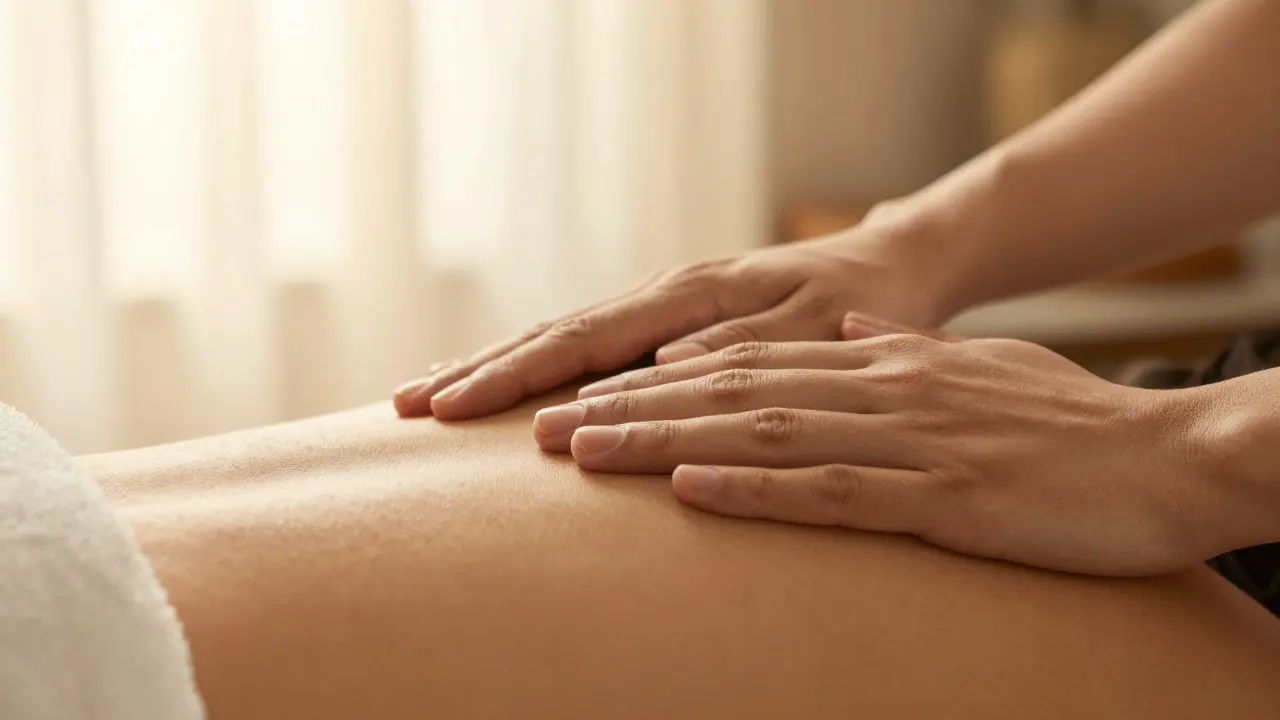
The Ancient Art of Touch
Have you ever noticed how a simple hug can lower your stress levels? Or how a gentle hand on your shoulder feels better than any advice? We are wired for connection. For thousands of years, humans have used Healing Hands, which refers to the practice of using manual touch to promote physical and emotional recovery. This isn't just about feeling good; it is a biological trigger that tells our bodies we are safe. From ancient shamans rubbing herbs into skin to modern physiotherapists manipulating joints, the core idea remains the same: touch heals.
In today's fast-paced world, where screens dominate our interactions, the value of human touch is often overlooked. Yet, the medical community increasingly recognizes that manual therapies reduce inflammation, improve circulation, and release endorphins. Whether you are dealing with chronic back pain, anxiety, or just general fatigue, understanding the power of therapeutic touch can change how you approach your health.
How Touch Actually Heals
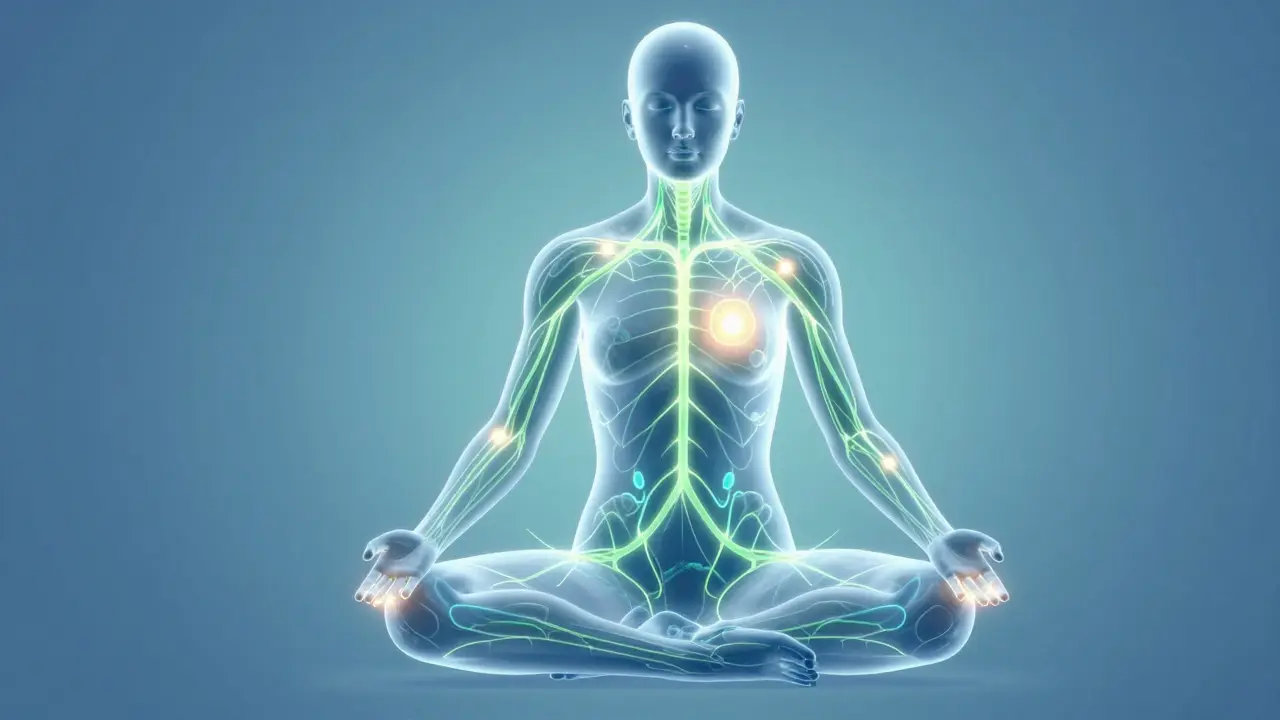
You might wonder how pressing on a muscle can fix a headache or calm a panic attack. It comes down to neurology. When skilled hands apply pressure to specific points, they stimulate mechanoreceptors in the skin and muscles. These receptors send signals to the brain that override pain signals. This is known as the Gate Control Theory of pain.
- Parasympathetic Activation: Gentle, rhythmic touch activates the vagus nerve. This shifts your body from "fight or flight" mode to "rest and digest." Your heart rate slows, blood pressure drops, and cortisol levels decrease.
- Fascial Release: Our fascia (connective tissue) holds tension. Manual therapy helps hydrate and release this tissue, improving mobility and reducing stiffness.
- Oxytocin Boost: Positive touch triggers the release of oxytocin, often called the "love hormone." It builds trust and reduces anxiety.
This biological response is why therapeutic touch is effective across various conditions. It is not magic; it is physiology working in your favor.
Types of Healing Hands Practices
Not all touch is created equal. Different techniques serve different purposes. Choosing the right one depends on your specific needs. Are you trying to recover from an injury, or do you need deep relaxation?
| Technique | Primary Goal | Pressure Level | Best For |
|---|---|---|---|
| Swedish Massage | Relaxation | Light to Medium | Stress relief, improved circulation |
| Deep Tissue | Pain Relief | Firm | Chronic muscle tension, sports injuries |
| Myofascial Release | Mobility | Sustained Pressure | Restricted movement, postural issues |
| Reflexology | Systemic Balance | Targeted Points | Digestive issues, sleep problems |
Each method requires a trained practitioner. A certified therapist knows exactly how much pressure to apply without causing harm. They understand anatomy deeply, ensuring that every stroke serves a purpose.
Finding the Right Practitioner
One of the biggest mistakes people make is choosing a therapist based solely on price or convenience. You need someone who listens. A good session starts with a consultation. The therapist should ask about your medical history, current pain levels, and goals.
Look for certifications from recognized bodies. In the United States, organizations like the National Certification Board for Therapeutic Massage and Bodywork (NCBTMB) set high standards. Ask potential therapists about their continuing education. Do they stay updated on new techniques? Do they specialize in areas relevant to your condition?
If you are traveling or looking for services in other regions, research is key. For instance, if you find yourself in Southeast Asia seeking traditional remedies, you might encounter various local practitioners. While some offer authentic traditional healing, others may provide unrelated services. Always verify credentials and read reviews. If you are exploring options abroad, such as looking for an Bangkok escort service, be aware that these terms are often misused in search results to mask adult entertainment rather than legitimate therapeutic care. Stick to licensed clinics and hospitals for genuine health benefits.
Self-Care: Bringing Healing Hands Home
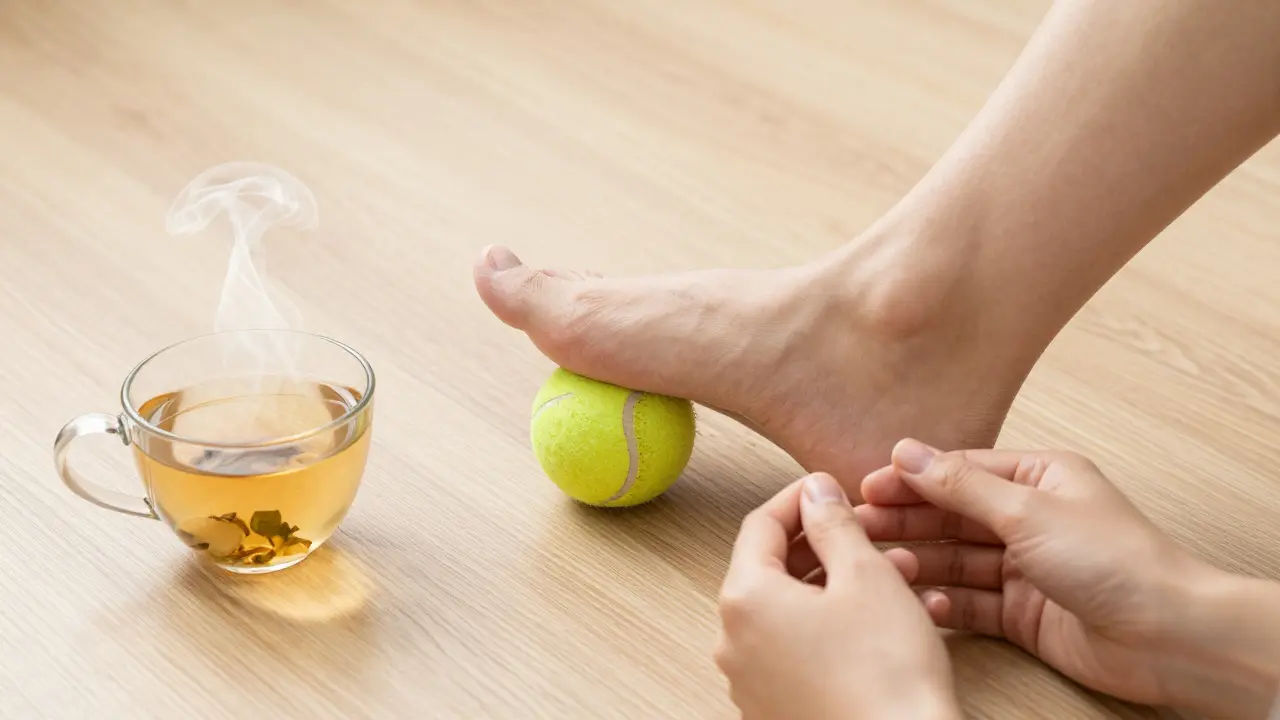
You don't always need a professional to benefit from touch. Simple self-massage techniques can provide significant relief. Start with your feet. After a long day, rolling a tennis ball under your arch can release tension that travels up your legs.
- Neck Release: Sit upright. Gently tilt your head to the side. Use your opposite hand to press lightly into the base of your skull. Hold for 30 seconds. Breathe deeply.
- Hand Kneading: Make a fist with one hand. Use the thumb of the other hand to knead the fleshy part of your palm. Move to each finger joint, rotating gently.
- Face Massage: Using your fingertips, circle around your eye sockets. Press gently into your temples. This reduces tension headaches.
Consistency matters more than intensity. Five minutes of daily self-care beats an hour once a month. Listen to your body. If something hurts, stop. Pain is a signal, not a goal.
The Emotional Connection
Beyond the physical benefits, touch addresses loneliness. Social isolation is a major health risk, comparable to smoking. Regular positive touch combats this. It reminds us that we are seen and cared for.
Consider the impact on children. Studies show that infants who receive regular massage gain weight faster and sleep better. For adults, it can break cycles of depression and anxiety. The act of giving touch is also healing. Holding a loved one's hand during a difficult time strengthens bonds and provides mutual comfort.
In a digital age, reclaiming the power of touch is revolutionary. It grounds us in the present moment. It connects us to our humanity. Whether through a professional treatment or a simple gesture of affection, healing hands offer a path to wholeness that no pill can replicate.
Integrating Touch Into Daily Life
Making touch a habit doesn't require expensive treatments. Incorporate small moments of connection throughout your day. High-five your kids. Hug your partner for twenty seconds. Pet your dog. These micro-interactions accumulate, creating a baseline of calm and security.
For those with chronic conditions, combining manual therapy with other modalities works best. Yoga enhances flexibility, while massage maintains soft tissue health. Nutrition supports tissue repair. A holistic approach ensures lasting results.
Remember, your body is resilient. It wants to heal. Sometimes, it just needs the right signal. By embracing the science and art of therapeutic touch, you take control of your well-being. You move from passive patient to active participant in your health journey.
Is therapeutic touch scientifically proven?
Yes. Numerous studies published in journals like JAMA Internal Medicine confirm that massage therapy reduces pain, anxiety, and depression. The mechanisms involve nervous system regulation and hormonal changes.
How often should I get a massage?
For maintenance, once a month is common. For acute pain or injury recovery, weekly sessions may be recommended initially. Listen to your body and consult your therapist.
Can I do deep tissue massage at home?
You can use tools like foam rollers, but true deep tissue work requires expertise. Incorrect pressure can cause bruising or inflammation. Learn basic self-massage first before attempting intense techniques.
What are the contraindications for touch therapy?
Avoid direct contact over open wounds, fractures, infections, or areas with blood clots. Always inform your therapist of any medical conditions, including pregnancy or cancer.
Does insurance cover massage therapy?
Coverage varies by plan and provider. Some plans cover it if prescribed by a doctor for a specific medical condition. Check with your insurer and look for therapists who bill directly.
Write a comment