The Reality Behind the Hype
You’ve seen the ads. Flashy signs on Sukhumvit Soi 11 or Patpong in Bangkok is the capital city of Thailand, known for its vibrant street life, temples, and complex nightlife scene. Promises of "full body" or "happy ending" services are everywhere. But here’s the truth most travel blogs won’t tell you: legitimate body-to-body massage in Thailand is virtually non-existent in the legal tourism sector. What you’re usually being sold is a high-pressure scam designed to drain your wallet.
Thailand has strict laws regarding prostitution. While enforcement varies, any establishment openly advertising sexual services is operating illegally. This creates a gray market where tourists are often targeted by aggressive touts. The goal isn’t relaxation; it’s exploitation. Understanding this dynamic before you step off the plane can save you from embarrassment, financial loss, and potential legal trouble.
How the Scam Works
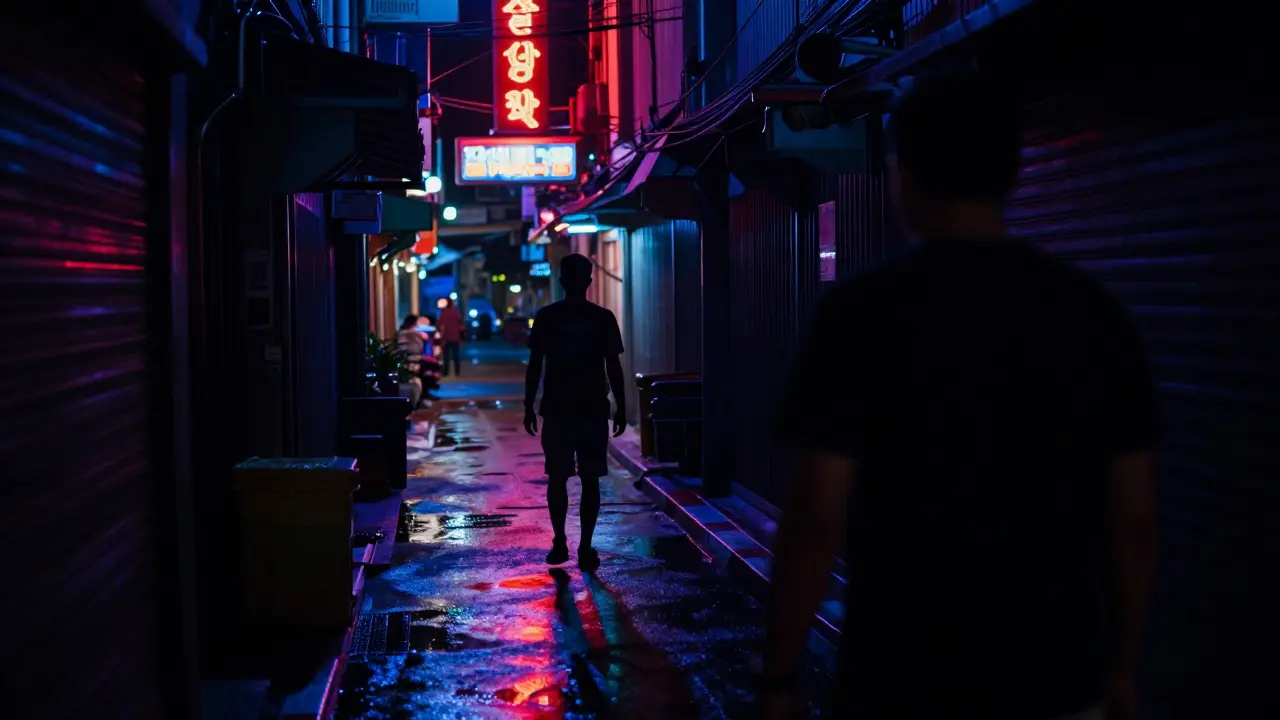
The script is almost always the same. You’re walking down a busy soi (alley) at night. Someone approaches you-often looking friendly and speaking decent English. They might claim there’s a new, exclusive spa nearby that offers "special" treatments for a low price. Maybe they mention a "body-to-body" session with an oil massage that sounds incredibly tempting.
Once inside, the atmosphere changes. The staff becomes pushy. They’ll insist you book multiple sessions or upgrade to a more expensive package. When the bill comes, the price is ten times what was quoted outside. If you refuse to pay, things can get ugly. There have been numerous reports of tourists being threatened, held against their will, or even assaulted. It’s not just about losing money; it’s about personal safety.
This isn’t a rare occurrence. It’s a well-documented pattern across major tourist hubs like Pattaya, Phuket, and Chiang Mai. The scammers rely on tourists’ fear of confrontation and lack of local knowledge. They know you don’t want to cause a scene or deal with Thai police, who may not prioritize helping foreigners in these disputes.
Legal vs. Illegal Establishments
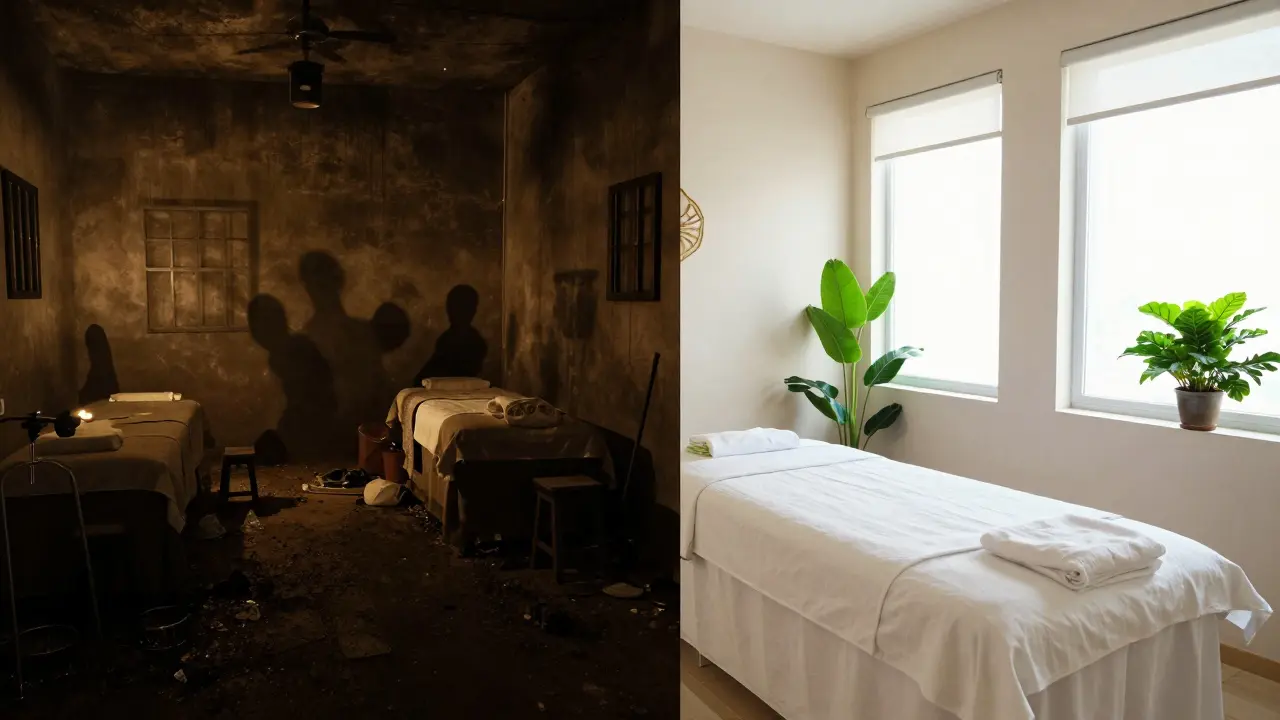
It’s crucial to distinguish between legitimate spas and illegal operations. Real Thai massage, such as Nuad Thai, is a traditional healing art recognized by UNESCO. These spas are clean, professional, and clearly display their prices. Staff wear uniforms, and there’s no pressure to buy additional services.
Illegal establishments, on the other hand, operate in secrecy. They often lack proper signage, have dim lighting, and may be located in residential buildings rather than commercial spaces. Be wary of places that don’t list prices publicly or require you to pay upfront without a receipt. Legitimate businesses welcome transparency because they have nothing to hide.
If you’re looking for genuine relaxation, stick to reputable chains or highly-rated independent spas with verified reviews. Avoid any place that hints at sexual services. Not only is it illegal, but it also supports an industry built on exploitation and human trafficking. Many workers in these venues are forced into labor against their will.
Safety Tips for Tourists
Staying safe in Thailand doesn’t mean avoiding fun. It means making informed choices. Here are some practical steps to protect yourself:
- Research beforehand: Read recent reviews on trusted platforms like TripAdvisor or Google Maps. Look for consistent feedback about professionalism and pricing.
- Avoid street touts: Never accept invitations from strangers offering deals that seem too good to be true. If it’s a real bargain, they’d advertise it online.
- Know your rights: Familiarize yourself with basic Thai laws regarding public behavior and prostitution. Ignorance isn’t a defense in court.
- Travel in groups: There’s safety in numbers. Solo travelers are easier targets for scammers.
- Keep emergency contacts handy: Save the number of your country’s embassy and local tourist police (1155).
If you find yourself in a suspicious situation, leave immediately. Don’t engage in arguments. Walk out calmly and head to a crowded area or a well-known hotel lobby. If you feel threatened, call the tourist police right away. They speak English and are trained to handle incidents involving foreigners.
The Impact on Local Communities
Supporting illegal massage parlors has broader consequences than just personal risk. It fuels underground economies that often involve organized crime. Workers in these environments face severe abuse, including physical violence, drug addiction, and psychological trauma. By choosing ethical tourism options, you contribute to a healthier local economy and support businesses that treat their employees fairly.
Many NGOs work tirelessly to rescue victims of trafficking and provide them with rehabilitation services. Your choice to avoid exploitative practices helps reduce demand for these harmful industries. Responsible travel isn’t just about protecting yourself; it’s about respecting the communities you visit.
Alternatives for Relaxation
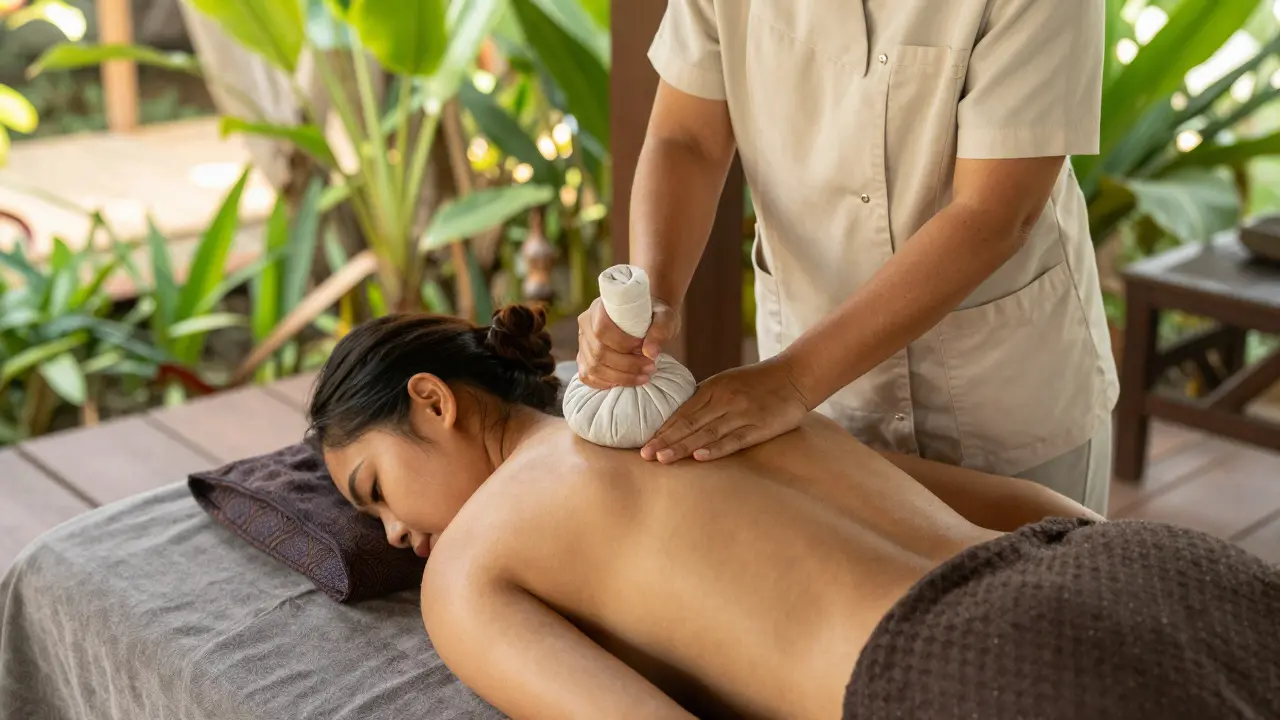
Thailand offers world-class wellness experiences that don’t come with hidden risks. Traditional Thai massage focuses on stretching and acupressure points to relieve tension and improve circulation. Herbal compress massages use warm bags filled with aromatic herbs to soothe muscles. Aromatherapy oils infused with lemongrass, eucalyptus, and jasmine provide a sensory experience that promotes deep relaxation.
These treatments are available at countless legitimate spas across the country. Prices are reasonable, typically ranging from 300 to 800 THB per hour depending on location and service type. You’ll leave feeling rejuvenated, not anxious. Plus, you’ll support artisans and therapists who have mastered their craft through years of dedicated training.
For those interested in exploring Bangkok’s nightlife safely, consider visiting established rooftop bars or cultural shows. These venues offer entertainment without the predatory tactics found in shady alleys. Enjoying the city’s vibrant culture doesn’t require compromising your values or safety.
Is body-to-body massage legal in Thailand?
No, body-to-body massage implying sexual services is illegal under Thai law. Prostitution is prohibited, and establishments offering such services operate outside the legal framework.
What should I do if I’m scammed at a massage parlor?
Leave the premises immediately and contact the tourist police at 1155. Provide details of the incident, including location and amount demanded. Avoid confronting staff aggressively to ensure your safety.
Are all massage parlors in Thailand unsafe?
No, many legitimate spas offer professional and safe massage services. Look for places with clear pricing, positive reviews, and transparent business practices. Avoid those hinting at illicit activities.
How can I identify a fake massage shop?
Red flags include vague pricing, aggressive touts, lack of visible licenses, and secluded locations. Legitimate shops display prices clearly and maintain professional environments.
What are some safe alternatives to explore in Bangkok?
Consider visiting certified Thai massage schools, attending cultural performances, or enjoying rooftop dining scenes. These activities provide authentic experiences while ensuring personal safety.
Write a comment