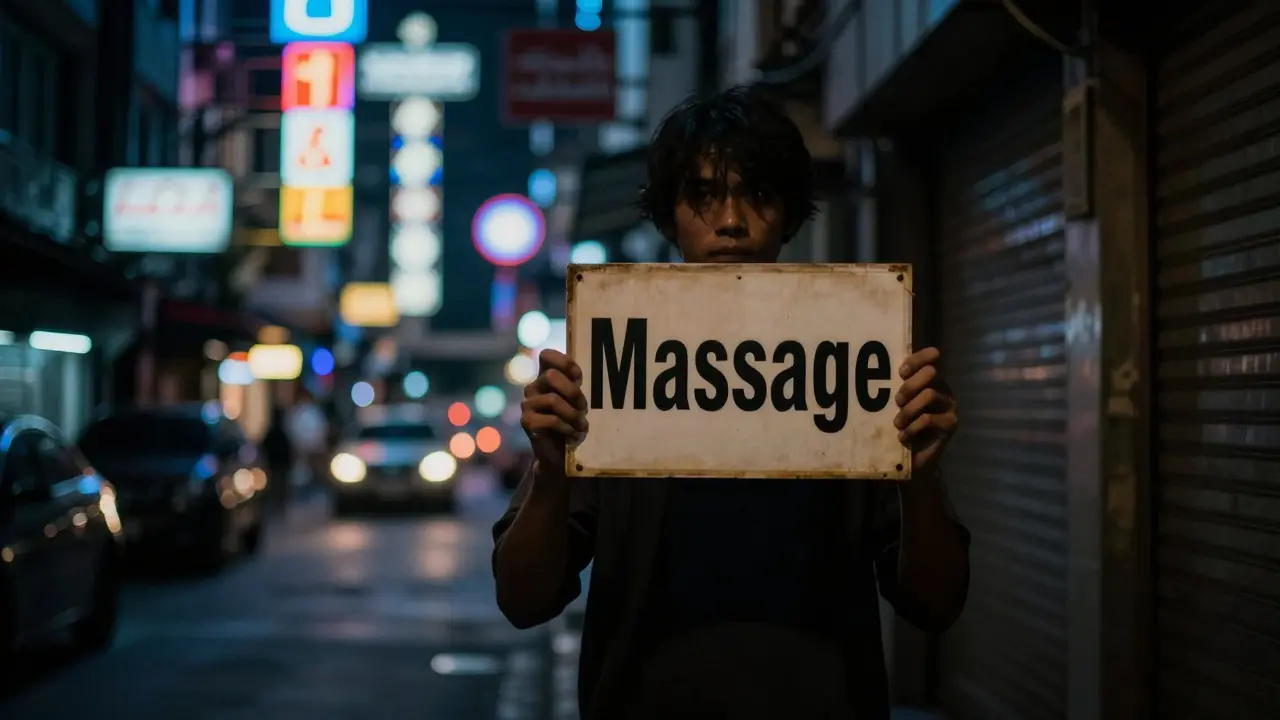
Have you ever seen an ad for a "happy ending massage" that promises relaxation followed by something more? If you are traveling to a new city or browsing online directories, these offers pop up everywhere. They look tempting at first glance. But before you book anything, it is crucial to understand what this term actually means in the real world. It is not just a fancy name for a spa treatment. In most places, a happy ending massage refers to illegal sexual services disguised as therapeutic bodywork.
This guide breaks down the reality behind these ads, the serious legal and health risks involved, and how to find genuine, safe wellness experiences instead. We will also look at why certain destinations have become hubs for this industry and what travelers need to know to stay safe and compliant with local laws.
What Exactly Is a Happy Ending Massage?
The term "happy ending" is slang used in the adult entertainment industry. It describes a scenario where a client receives a standard massage but pays extra for sexual gratification at the end of the session. This is not a recognized medical or therapeutic practice. Legitimate massage therapists are trained in anatomy, physiology, and ethical boundaries. They do not provide sexual services.
In many countries, including the United States, Canada, and much of Europe, soliciting or providing sexual services is a crime. When you search for these services, you are often interacting with underground networks. These operations are unregulated. There are no health inspections, no licensed practitioners, and no recourse if something goes wrong. The promise of a "relaxing experience" is a marketing tactic to lure people into illegal activities.
Is a happy ending massage legal?
In most jurisdictions, no. It involves prostitution or solicitation, which is illegal in many countries. Even in places where sex work is decriminalized, operating without proper licensing or in unauthorized zones can still lead to legal trouble.
The Hidden Dangers of Unregulated Services
When you step away from regulated wellness centers, you lose all protections. Here are the primary risks associated with seeking out these illicit services:
- Legal Consequences: Police raids on establishments offering these services are common in tourist-heavy areas. Clients can be arrested, fined, deported, or banned from re-entering the country. A criminal record can affect future travel visas and employment opportunities.
- Health Risks: Without regulation, there is no guarantee of hygiene standards. The risk of sexually transmitted infections (STIs) is significantly higher in unregulated settings. Condoms may not be used, or they may be compromised.
- Scams and Theft: Many ads for "happy endings" are scams designed to steal money. You might pay upfront via cash or digital transfer and never receive any service. In some cases, individuals are lured into locations where they are robbed or extorted.
- Human Trafficking: The demand for cheap sexual services fuels human trafficking rings. By participating in this underground economy, consumers may inadvertently support exploitative practices involving coerced labor.
It is important to recognize that these risks are not theoretical. They happen daily in major tourist destinations worldwide. The allure of a discreet, affordable indulgence often blinds people to the potential fallout.
Why Bangkok and Other Hubs Are Associated With This Industry
Certain cities have gained reputations as centers for adult entertainment due to complex historical, economic, and regulatory factors. Bangkok, Thailand, is frequently mentioned in discussions about sex tourism. While Thailand has strict laws against prostitution, enforcement varies, and a large underground industry exists alongside legitimate businesses.
Travelers looking for information on this topic often come across sites like Bangkok escort services or similar directories. These platforms operate in a legal gray area. They market themselves as companionship services but often facilitate illegal transactions. Understanding the landscape here is vital. The presence of such services does not mean they are safe or recommended. It reflects a global disparity in income and regulation that draws tourists seeking experiences unavailable or expensive in their home countries.
However, relying on these sources is dangerous. The internet is filled with fake profiles, bait-and-switch tactics, and organized crime fronts. A site claiming to offer premium services might simply be a phishing operation designed to collect credit card details or personal data. Always verify the legitimacy of any service through official government tourism boards or reputable review platforms that focus on general hospitality, not adult services.

Legitimate Massage Therapy vs. Illegal Services
If your goal is relaxation, pain relief, or stress reduction, there are countless legal and safe options available. Professional massage therapy is a healthcare profession governed by strict codes of conduct. Here is how to distinguish between a legitimate therapist and an illicit operator:
| Feature | Licensed Massage Therapist | Illicit "Happy Ending" Provider | |
|---|---|---|---|
| Licensing | Required state/country license displayed publicly | No license; operates under false pretenses | |
| Environment | Clean, professional clinic or spa; clear pricing | Dark, secluded rooms; vague pricing; hidden fees | |
| Interaction | Professional conversation about health needs | Suggestive language; pressure to pay extra | |
| Attire | Client covered with sheet/towel at all times except area being worked on | Requests full nudity; inappropriate touching | |
| Payment | Receipt provided; credit card accepted | Cash only; no receipt; payment demanded upfront |
Legitimate spas prioritize your comfort and health. They ask about injuries, allergies, and pressure preferences. They maintain professional boundaries. If a provider asks you to remove your clothing entirely before entering the room, or if they touch areas unrelated to the massage technique, leave immediately. These are red flags.
How to Find Safe and Relaxing Wellness Experiences
You do not need to risk your safety or legal standing to enjoy a good massage. Here are practical steps to find high-quality, legal wellness services while traveling:
- Check Credentials: Look for therapists who display certifications from recognized bodies like the American Massage Therapy Association (AMTA) or equivalent national organizations. In Asia, look for established spa chains with international standards.
- Read Verified Reviews: Use platforms like TripAdvisor, Google Maps, or Yelp. Filter reviews for keywords like "professional," "therapeutic," and "clean." Avoid places with reviews mentioning "extras" or suggestive comments.
- Visit Established Spas: Hotels, resorts, and dedicated wellness centers adhere to strict hygiene and operational protocols. Their reputation depends on providing genuine relaxation, not illegal services.
- Ask Your Hotel Concierge: Reputable hotels will recommend trusted partners. If a concierge hesitates or suggests a sketchy location, trust your instincts and go elsewhere.
- Understand Local Laws: Research the legal status of massage and sex work in your destination. In some countries, even asking about these services can lead to detention. Ignorance is not a defense in court.
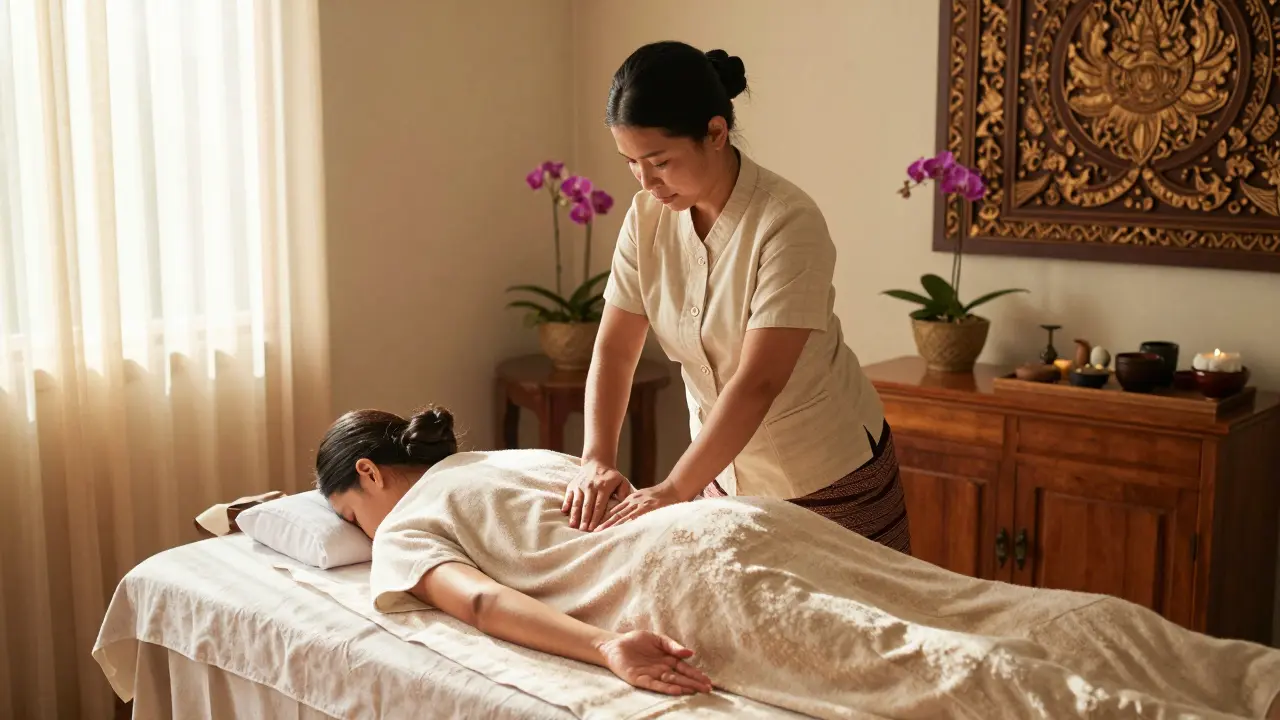
For example, if you are in Southeast Asia, traditional Thai massage is a culturally rich and legally protected practice. It focuses on stretching and acupressure. It is deeply rooted in history and offers significant physical benefits. Engaging with these authentic cultural practices supports local artisans and preserves heritage, rather than fueling exploitation.
The Psychological Impact of Sex Tourism
Beyond the immediate risks, participating in sex tourism has broader ethical implications. It contributes to the objectification of individuals and reinforces power imbalances between wealthy tourists and local populations. Many communities suffer from the social stigma and health crises associated with unchecked sex industries.
Travelers often seek novelty or escape. However, true relaxation comes from feeling safe and respected. Engaging in illegal activities creates anxiety. You spend the session worrying about police, scams, or disease. That is the opposite of wellness. Choosing ethical travel options enhances your experience by aligning it with your values. It allows you to connect with a destination’s culture genuinely, without the shadow of illegality.
If you encounter advertisements for escort Bangkok services or similar offers, view them with caution. These are often part of a larger network of unverified entities. The lack of transparency means you have no idea who you are dealing with. Protect yourself by sticking to well-known, reviewed, and licensed establishments.
What to Do If You Encounter a Scam
Despite best efforts, situations can go wrong. If you suspect you are being scammed or pressured into an illegal act:
- Stay Calm: Do not escalate the situation. Politely decline and leave.
- Document Everything: Take note of addresses, names, and any digital communications. This information can be useful for authorities later.
- Contact Local Authorities: If you feel threatened, call the local police. In tourist areas, officers often speak English.
- Notify Your Embassy: If you are detained or face legal issues, contact your country’s embassy or consulate immediately. They can provide legal assistance and support.
- Report Online Fraud: If you were scammed financially, report it to your bank and local cybercrime units.
Remember, your safety is paramount. No massage is worth risking your freedom, health, or financial stability.
Conclusion: Prioritize Safety and Ethics
The search for a "best happy ending massage" often leads to dangerous and illegal territory. The term itself is a euphemism for prostitution, which carries significant risks including arrest, theft, and health hazards. Instead of chasing dubious promises, invest in legitimate wellness experiences. Licensed massage therapists provide real health benefits in safe, professional environments. By choosing ethical options, you protect yourself and contribute positively to the communities you visit. Travel should be enriching and relaxing, not stressful or risky. Make informed choices and enjoy your journey with peace of mind.
Can I get in trouble for receiving a happy ending massage abroad?
Yes. Many countries have extraterritorial jurisdiction over their citizens, meaning you can be prosecuted in your home country for crimes committed abroad. Additionally, local laws in destinations like Thailand, Cambodia, and others strictly penalize solicitation. Arrests are common, and deportation is likely.
Are there any legal happy ending massages?
No. The term "happy ending" specifically implies sexual services. In jurisdictions where sex work is legal (such as parts of Nevada, USA, or the Netherlands), these services are provided by licensed brothels or escorts, not disguised as massage therapy. Legitimate massage therapists never offer sexual services.
How can I tell if a massage parlor is legit?
Look for visible licenses, clear posted prices, professional attire, and a clean environment. Legitimate spas will discuss your health needs and keep you covered with a sheet during the massage. Avoid places that require cash-only payments, have no signage, or use suggestive advertising.
What are the health risks of unregulated massage services?
The primary risks include sexually transmitted infections (STIs) due to lack of protection and hygiene. There is also a risk of exposure to bloodborne pathogens if equipment is not sterilized. Additionally, unregulated environments may lack emergency medical protocols.
Is sex tourism considered ethical?
Most ethicists and human rights organizations argue that sex tourism is unethical because it exploits economic disparities and often involves coercion or trafficking. It harms local communities and undermines social structures. Ethical travel focuses on respectful engagement and supporting legitimate local businesses.
Write a comment