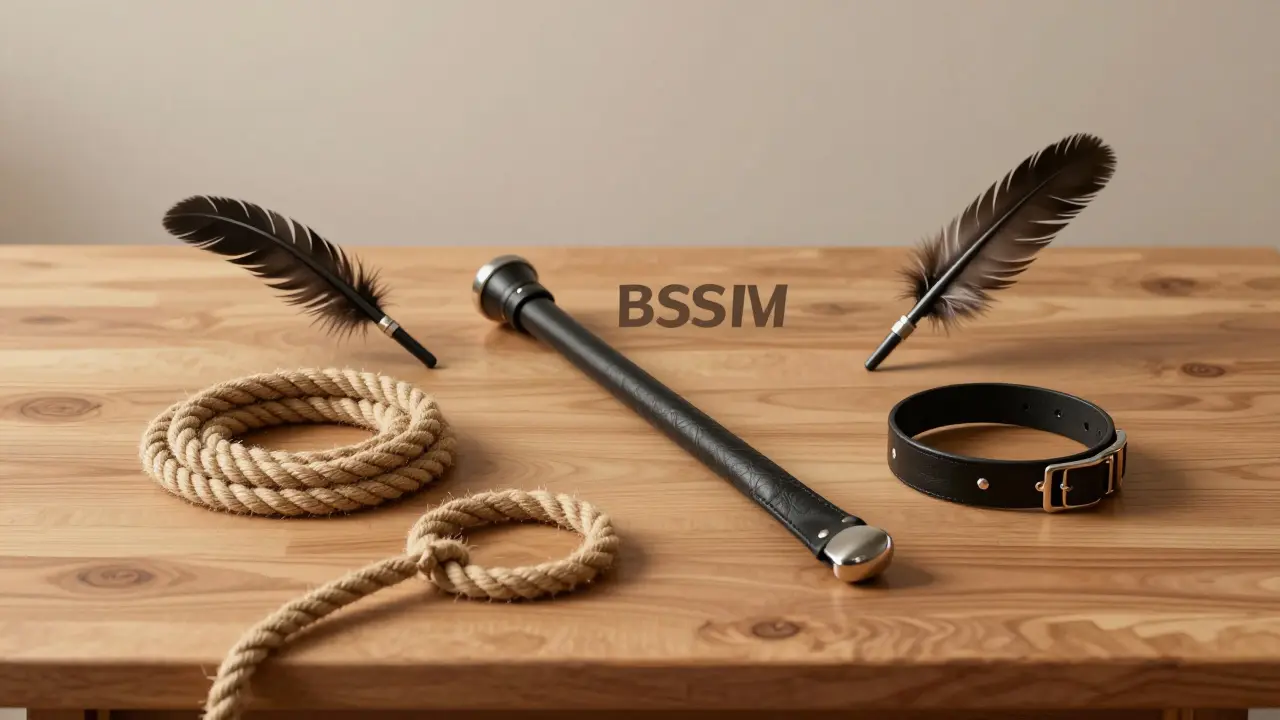
When you hear the acronym BDSM, what comes to mind? For many, it’s a mix of curiosity, confusion, and perhaps a bit of stigma. The media often paints a picture of danger or dysfunction, but for millions of people worldwide, it is simply a way to explore intimacy, trust, and human connection on their own terms. At its core, BDSM stands for Bondage and Discipline, Dominance and Submission, Sadism and Masochism. It is an umbrella term for a wide range of activities and role-playing dynamics that involve consensual power exchange.
Understanding this world isn’t about judging others; it’s about recognizing that human sexuality and relational dynamics are far more complex than the standard script we’re taught in school. Whether you are curious about trying something new or just want to understand the culture better, knowing the fundamentals is your first step toward safety and respect.
The Pillars of Safe Play: SSC and RACK
You cannot talk about BDSM without talking about safety frameworks. These aren’t just buzzwords; they are the ethical foundation that keeps the community healthy and consensual. Two main philosophies dominate the conversation: SSC and RACK.
SSC stands for Safe, Sane, and Consensual. This was the original mantra of the modern kink community. It emphasizes that all activities should be physically safe, mentally sound (sane), and agreed upon by all parties (consensual). While well-intentioned, some critics argue that "safe" is impossible to guarantee in any physical activity, and "sane" can be subjective and judgmental.
This led to the rise of RACK, which stands for Risk-Aware Consensual Kink. RACK acknowledges that there are inherent risks in almost every activity, from skydiving to rope bondage. Instead of promising zero risk, it demands that participants are fully aware of those risks and have explicitly consented to them. This shift places the responsibility on the individual to educate themselves and communicate clearly with their partners.
- SSC: Focuses on minimizing harm through strict safety rules.
- RACK: Focuses on informed consent regarding specific risks.
- PRICK: A newer variant, Personal Responsibility, Informed, Consensual Kink, which further emphasizes personal accountability.
Regardless of which framework you prefer, the common thread is explicit, enthusiastic consent. Without it, there is no BDSM-only assault.
Decoding the Acronym: What Each Letter Means
To truly grasp the scope of the community, let’s break down the components. Most people do not engage in every aspect of BDSM. Many identify with only one or two letters, while others enjoy a blend of several.
| Component | Description | Common Examples |
|---|---|---|
| Bondage (B) | Restricting movement using ropes, cuffs, or tape. | Shibari (Japanese rope art), handcuffs, blindfolds. |
| Discipline (D) | Enforcing rules and punishing infractions within a dynamic. | Spanking, corner time, orgasm control. |
| Dominance (D) | Taking control over another person in a scene or relationship. | Issuing commands, financial domination, service exchange. |
| Submission (S) | Yielding control to another person voluntarily. | Following orders, wearing collars, sensory deprivation. |
| Sadism (S) | Deriving pleasure from inflicting pain or humiliation. | Impact play, verbal degradation (consensual). |
| Masochism (M) | Deriving pleasure from receiving pain or humiliation. | Enduring impact play, restraint, temperature play. |
It is crucial to understand that these elements are not inherently sexual, though they often overlap with eroticism. For some, the thrill comes from the psychological intensity of surrendering control or the meditative focus required to tie a complex knot. The diversity within the community means that one person’s fantasy might be another person’s hard limit.
The Psychology Behind Power Exchange
Why do people enjoy giving up control or taking charge? Psychologists have studied this for decades, and the consensus is that BDSM practitioners are generally no less mentally stable than the general population. In fact, many report higher levels of self-awareness and communication skills.
For the submissive, the appeal often lies in "subspace," a trance-like state achieved through intense sensation and trust. It allows them to let go of the burdens of daily decision-making and responsibility. It is a form of mental release, similar to the flow state athletes experience. For the dominant, the satisfaction comes from caretaking, precision, and the profound trust placed in them by their partner. It is not about abuse; it is about structured intimacy.
Consider the concept of aftercare. After a scene ends, participants need to reconnect emotionally and physically. This might involve cuddling, hydrating, checking in on feelings, or simply sitting together in silence. Aftercare is essential because the emotional highs and lows of BDSM can leave people vulnerable. It reinforces the bond between partners and ensures everyone returns to baseline safely.

Negotiation and Boundaries: The Art of Communication
If BDSM is a language, negotiation is the grammar. You cannot assume your partner knows what you want or what you will tolerate. Every new partner, and often every new scene, requires a fresh conversation.
Start by discussing hard limits and soft limits. Hard limits are things you will never do under any circumstances. Soft limits are things you might be open to trying under specific conditions or with certain precautions. Be specific. Saying "no pain" is vague. Saying "no impact above the waist" is clear.
Use a traffic light system during play to maintain ongoing consent:
- Green: Everything is good, keep going.
- Yellow: Slow down, check in, I’m nearing my limit.
- Red: Stop immediately. No questions asked.
This system removes the pressure to articulate complex feelings in the heat of the moment. If someone calls red, the scene ends instantly. There is no punishment for calling a stop word. Trust is built by respecting these boundaries without hesitation.
Finding Community and Resources
Entering the BDSM world can feel intimidating, especially if you don’t know where to start. The internet has made it easier to find information, but it also blurs the lines between legitimate education and exploitation. It is vital to distinguish between consensual kink communities and illegal sex work or trafficking operations.
Legitimate BDSM communities prioritize consent, safety, and mutual respect. They often host munches (casual meetings at restaurants) and workshops where beginners can learn from experienced practitioners. Online forums and educational websites dedicated to SSC/RACK principles are excellent resources for learning techniques like rope tying or impact play safely.
Be cautious when searching for connections online. If you encounter sites offering services that blur the line between companionship and transactional sex, such as those advertising an Bangkok escort or similar arrangements, recognize that these operate outside the ethical framework of consensual BDSM. True kink culture is about shared experiences and negotiated dynamics, not paid performances. Always verify the reputation of any group or individual you meet, and prioritize platforms that emphasize community guidelines and safety protocols.
Similarly, be wary of ads for an escort Bangkok or other commercial entities posing as kink-friendly. While sex work is a valid profession in many jurisdictions, it is distinct from the hobbyist and lifestyle aspects of BDSM. Mixing these contexts without clear understanding can lead to misunderstandings and potential danger. Stick to established kink networks, local clubs with clear codes of conduct, and educational events to build genuine connections.

Common Myths Debunked
Misconceptions about BDSM persist largely due to lack of visibility and sensationalized media portrayals. Let’s address a few of the most common ones.
Myth 1: BDSM is a Cry for Help
Many people assume that individuals who enjoy pain or submission must have been abused in the past. Research does not support this correlation. While some people may use BDSM to process trauma, many others are simply exploring their sexuality and personality traits. Enjoying consensual power dynamics is a normal variation of human behavior, not a symptom of pathology.
Myth 2: It’s Only About Pain
Pain is just one tool in the toolbox. Sensory deprivation, role-playing, pet play, and electronic stimulation are all popular activities that involve little to no physical pain. The focus is often on the psychological intensity and the connection between partners.
Myth 3: Once You Start, You Can’t Stop
BDSM is highly flexible. You can try a single scene once and decide it’s not for you. You can practice it exclusively with one partner. You can change your roles over time. There is no contract that binds you forever unless you explicitly agree to a long-term dynamic, and even then, terms can be renegotiated.
Getting Started Safely
If you are ready to explore, take it slow. Education is your best friend. Read books, watch instructional videos from reputable sources, and attend beginner-friendly workshops. Start with low-risk activities like blindfolds or light restraint. Practice communication with your partner before introducing any intensity.
Remember that BDSM is a journey of self-discovery and connection. It requires patience, honesty, and a willingness to listen. By prioritizing consent and safety, you create a space where both you and your partner can explore new depths of intimacy and trust.
Is BDSM legal?
Yes, BDSM activities between consenting adults are legal in most countries, provided they do not result in serious bodily harm or violate public decency laws. However, laws vary by location, so it is important to understand local regulations regarding assault and consent.
How do I find a BDSM partner?
Start by attending local munches or workshops to meet people in a casual setting. Online platforms dedicated to kink, such as FetLife, can also help you connect with others. Always prioritize safety and verify identities before meeting in person.
What is the difference between BDSM and abuse?
The key difference is consent. BDSM is consensual, negotiated, and focused on mutual enjoyment and safety. Abuse is non-consensual, coercive, and intended to harm or control without regard for the victim’s well-being.
Can I practice BDSM alone?
While many activities require a partner, solo play is possible with certain tools like restraints or sensory devices. However, safety precautions are critical when playing alone to ensure you can release yourself in an emergency.
What should I do if I get hurt during a scene?
Stop the activity immediately. Assess the injury and provide first aid if necessary. Communicate openly with your partner about what happened and adjust future scenes to avoid similar injuries. Seek medical attention if the injury is severe.
Write a comment