The Myth of the "Backpage" in Bangkok
You’ve probably seen it. A pop-up ad, a suspicious link on a forum, or a message from someone claiming to know "the real way" to find companionship in Bangkok is the bustling capital city of Thailand, known for its vibrant street life, temples, and complex social dynamics. The promise is always the same: easy access to escorts through a site called "Backpage." But here’s the hard truth you need to hear before you click anything: that website has been dead for years.
Backpage.com was a classified advertising website similar to Craigslist that was shut down by U.S. authorities in 2018 due to involvement in human trafficking and illegal sex work. It ceased operations over six years ago. Any site using that name today is a scam. It is not an archive. It is not a mirror. It is a trap designed to steal your money, your data, or worse.
If you are traveling to Thailand or living there, understanding this distinction is critical for your safety. The search intent behind typing "Bangkok escort backpage" usually falls into two buckets: curiosity about the local scene or a genuine desire to find companionship safely. Both require a reality check. The digital landscape of adult services in Bangkok is fraught with risks, and relying on defunct platforms is the fastest way to get scammed.
Why Scammers Use Dead Names
Scammers are opportunists. They know that certain keywords have high search volume. When people type "Backpage" into Google, they are often looking for the old, familiar interface they remember from a decade ago. Cybercriminals register domains like bkk-backpage.net or bangkok-escort-backpage.com to catch these users.
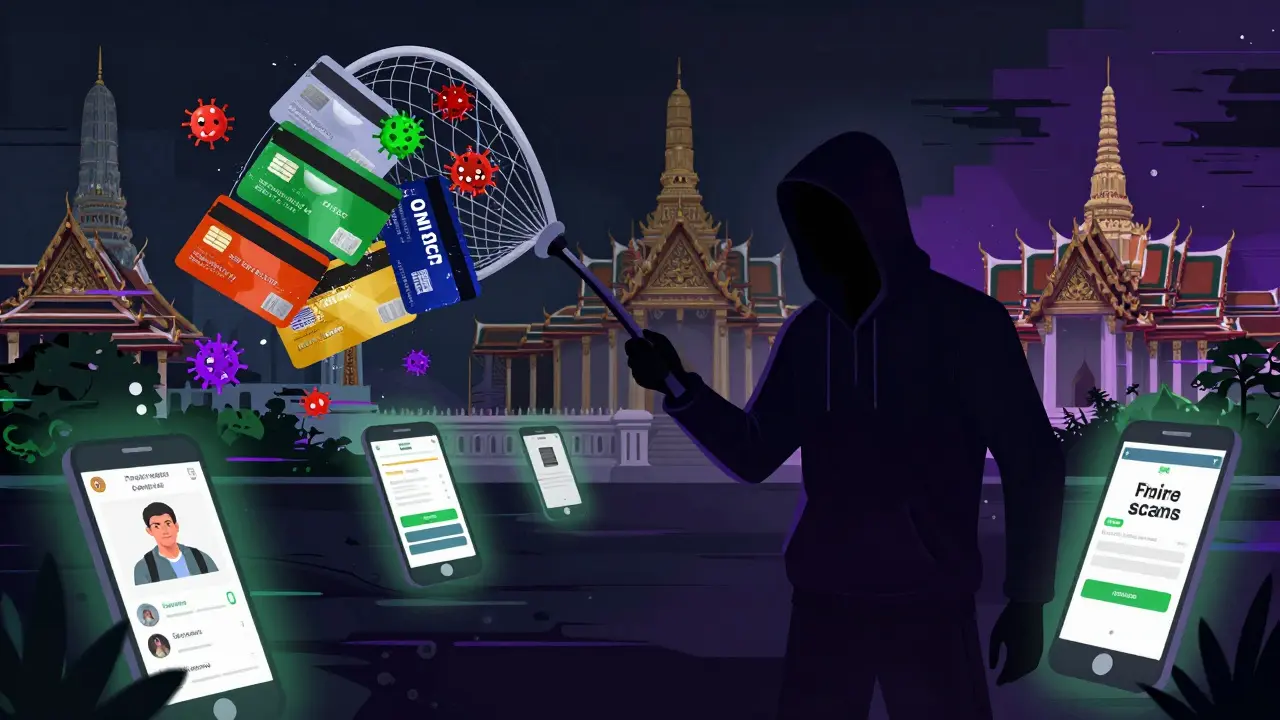
What happens when you land on these fake sites? Usually, one of three things occurs:
- Credit Card Theft: You’re asked to pay a small fee to "unlock" profiles. The moment you enter your card details, the transaction goes through, but no service is provided.
- Malware Infection: The site forces you to download a "plugin" or "viewer" to see images. This software installs keyloggers or ransomware on your device.
- Advance Fee Fraud: You contact a "provider" who asks for a deposit via Western Union or cryptocurrency to secure their time. Once paid, they disappear.
This isn’t just theoretical. Reports from cybersecurity firms consistently flag these types of domains as high-risk. The pattern is identical across cities worldwide, but Bangkok’s reputation makes it a prime target for these schemes.
The Legal Reality in Thailand
To navigate Bangkok safely, you must understand the legal framework. Prostitution itself is not explicitly illegal under Thai law, but many activities surrounding it are. Soliciting, brothel-keeping, and pimping are strictly prohibited under the Prevention and Suppression of Prostitution Act B.E. 2539 (1996).
This creates a gray area. While you might see red-light districts like Patpong is a well-known entertainment district in Bangkok famous for its bars and nightlife, historically associated with sex tourism. or Soi Cowboy, operating openly, the legal status remains precarious. Police raids happen frequently. Foreigners can be detained, fined, or deported if caught engaging in illegal solicitation.
Using online platforms to arrange meetings adds another layer of risk. If a platform facilitates illegal activity, it can be shut down instantly, leaving users exposed. This is why legitimate businesses avoid explicit advertising. They rely on word-of-mouth, physical presence, or discreet social media channels that are constantly monitored and purged by authorities.
Safer Alternatives for Nightlife and Socializing
If your goal is to meet people or enjoy Bangkok’s nightlife, there are safer, more respectful ways to do it. Bangkok has a thriving social scene that doesn’t involve the underground web of scams.
| Option | Safety Level | Cost | Legality |
|---|---|---|---|
| Rooftop Bars (e.g., Sky Bar) | High | High | Fully Legal |
| Pub Crawls (Organized Tours) | Medium-High | Low-Medium | Fully Legal |
| Dating Apps (Tinder, Bumble) | Medium | Free/Low | Fully Legal |
| Red-Light District Bars | Low | Variable | Gray Area |
| "Backpage" Clone Sites | Very Low | High (Scam Risk) | Illegal/Fraudulent |
Rooftop Bars: Places like the Lebua State Tower or Mahanakhon offer stunning views and a sophisticated crowd. It’s expensive, but safe and legal. You’ll meet travelers, expats, and locals in a controlled environment.
Pub Crawls: Organized tours take groups through areas like Khao San Road or Thong Lor. These are great for meeting other travelers. Just be cautious of drink spiking-never leave your drink unattended.
Dating Apps: Tinder and Bumble are widely used in Bangkok. Many people use them for casual dating, friendships, or relationships. Be clear about your intentions, verify profiles, and meet in public places first. This is a transparent, legal way to connect.
Recognizing Common Scams in Bangkok
Beyond fake websites, Bangkok has several well-documented scams targeting tourists. Knowing them helps you stay alert.
- The Gem Shop Scam: A friendly stranger invites you to dinner or a bar. Later, they take you to a gem shop where you’re pressured to buy overpriced jewelry. They claim you can resell it for a profit, but resale shops are fronted by the same group and will refuse to buy it back at a fair price.
- The Tuk-Tuk Tour Scam: A tuk-tuk driver offers a cheap tour of the city. Instead of sights, he takes you to specific shops (gems, watches, tailors) where he gets a commission. The ride may cost 500 baht instead of 50, and the pressure to buy is intense.
- The Closed Attraction Scam: Someone tells you a major temple or museum is closed for a holiday or renovation. They then offer to take you to an alternative location, which turns out to be a shopping mall or gem store.
These scams thrive on confusion and urgency. If something feels too good to be true, it almost certainly is. Always verify information independently. Check official tourism websites for opening hours. Agree on prices before getting into any vehicle.
Protecting Your Digital Identity
When traveling, your digital footprint is vulnerable. Using public Wi-Fi in cafes or hotels can expose your data. If you are browsing sensitive topics, ensure you are using a secure connection.
- Use a VPN: A Virtual Private Network encrypts your internet traffic. This prevents hackers on public networks from seeing what you’re doing.
- Enable Two-Factor Authentication (2FA): Add an extra layer of security to your email and banking accounts. Even if your password is stolen, attackers can’t access your accounts without the second factor.
- Check URLs Carefully: Look for https:// and a padlock icon in your browser. However, note that scammers can also use HTTPS. Don’t rely on it alone.
- Avoid Downloading Unknown Files: Never download .exe or .apk files from untrusted sources. These are common vectors for malware.
Your phone and laptop contain personal photos, financial info, and passwords. Protecting them is as important as protecting your wallet.
Respectful Travel Practices
Thailand is a country with deep cultural roots and Buddhist traditions. Respect for local customs is essential. Dress modestly when visiting temples. Remove your shoes when entering homes or certain restaurants. Avoid showing disrespect to the royal family.
When it comes to nightlife, treat everyone with dignity. Whether you’re in a club, a bar, or a private setting, consent and respect are non-negotiable. Exploitative behavior harms individuals and damages the reputation of all travelers. Choose experiences that enrich your journey rather than exploit others.
What to Do If You Get Scammed
If you fall victim to a scam, act quickly. Here’s what you should do:
- Contact Your Bank: If your credit card was compromised, call your bank immediately to freeze the account and dispute charges.
- Report to Local Police: Visit the nearest police station. In Bangkok, the Tourism Police hotline is 1155. They speak English and specialize in tourist-related crimes.
- Notify Your Embassy: If your passport was stolen or you face legal trouble, contact your country’s embassy or consulate in Bangkok.
- Change Passwords: Update passwords for all important accounts, especially email and banking.
Don’t feel ashamed. Scams are sophisticated and affect millions of people every year. Reporting them helps authorities track patterns and protect future victims.
Conclusion: Prioritize Safety Over Convenience
The allure of finding easy connections through a mythical "Backpage" is strong, but the risks far outweigh any perceived benefits. Bangkok is a fascinating city with endless opportunities for adventure, culture, and genuine human connection. By avoiding fraudulent websites and sticking to legal, safe alternatives, you can enjoy your time in Thailand without fear of exploitation or legal trouble.
Remember: if a website claims to be Backpage, it is a lie. If a deal seems too good to be true, it is a scam. Stay aware, stay respectful, and prioritize your safety above all else.
Is Backpage still available in Bangkok?
No. Backpage.com was shut down in 2018. Any website using the name "Backpage" today is a fraudulent copy designed to scam users. Do not trust these sites.
Is prostitution legal in Thailand?
Prostitution exists in a legal gray area. While the act itself is not explicitly criminalized, soliciting, brothel-keeping, and pimping are illegal under Thai law. Engaging in these activities can lead to fines, detention, or deportation.
How can I meet people safely in Bangkok?
Use reputable dating apps like Tinder or Bumble, join organized pub crawls, or visit popular rooftop bars and clubs. Always meet in public places first and inform a friend of your whereabouts.
What should I do if I suspect my credit card was stolen online?
Contact your bank immediately to freeze your card and dispute any unauthorized charges. Change your online banking passwords and monitor your statements for further suspicious activity.
Who can I call for help if I am scammed in Bangkok?
You can contact the Tourism Police in Thailand by dialing 1155. They speak English and assist tourists with crime reports. You can also reach out to your country’s embassy or consulate.
Are red-light districts safe for tourists?
Red-light districts like Patpong or Nana Plaza are generally safe from violent crime, but they carry higher risks of scams, overcharging, and health issues. Exercise caution, avoid accepting drinks from strangers, and be aware of the legal gray areas.
Can I get arrested for using escort services in Thailand?
Yes. While enforcement varies, foreigners can be detained, fined, or deported for engaging in illegal solicitation or being involved in brothel operations. Police raids are common, and penalties can be severe.
What are some common scams in Bangkok?
Common scams include the gem shop scam, tuk-tuk tour scam, and closed attraction scam. Scammers lure tourists into shops where they are pressured to buy overpriced items. Always verify information independently and agree on prices upfront.
Is it safe to use public Wi-Fi in Bangkok?
Public Wi-Fi can be insecure. Hackers may intercept your data. Use a VPN to encrypt your connection, avoid logging into sensitive accounts like banking, and never download files from unknown sources.
How do I recognize a fake escort website?
Fake websites often use misspelled domain names, ask for upfront payments via untraceable methods like cryptocurrency, or require you to download software. Legitimate services do not operate through defunct brand names like Backpage.
Write a comment