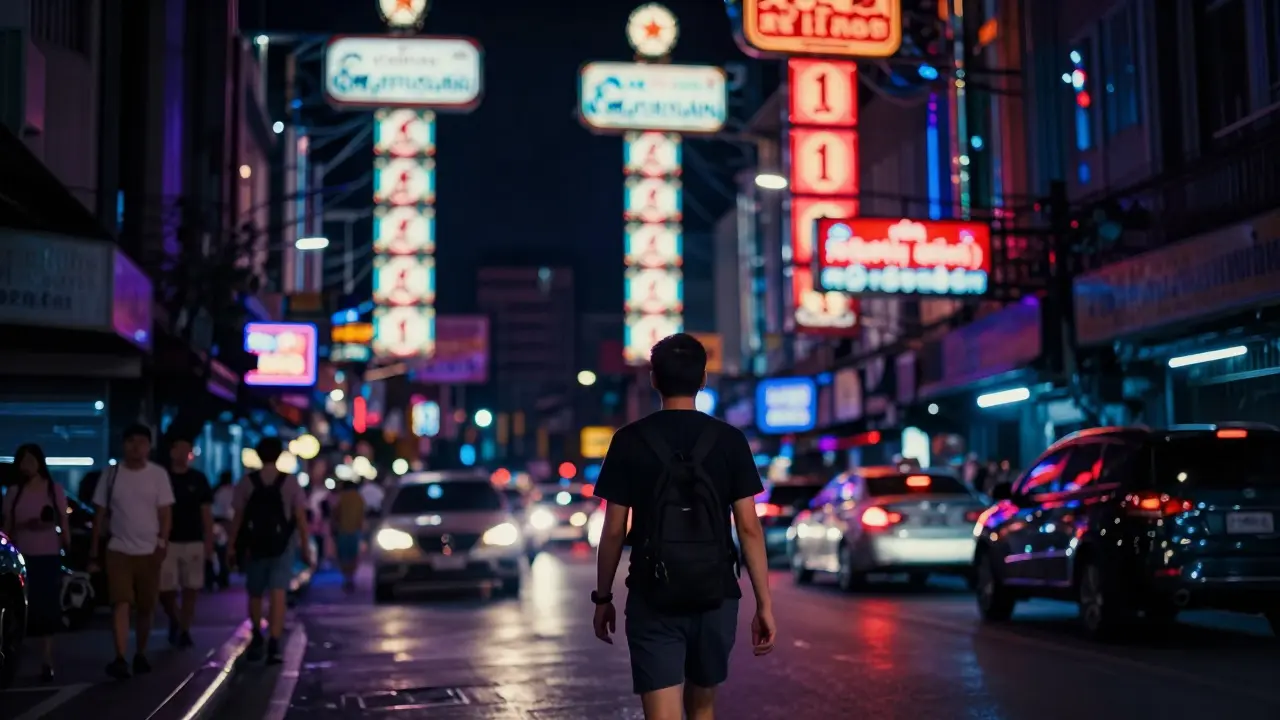
Walking down Sukhumvit Soi 11 at night, you might see neon signs promising "happy endings" for a price that seems too good to be true. It is the most common myth for tourists visiting Thailand. You want relaxation after a long flight or a hot day of sightseeing. But chasing this specific type of service puts you in serious legal danger and exposes you to health risks. The reality on the ground is very different from what movies or old travel blogs suggest.
Thailand has strict laws against prostitution. Police raids happen frequently, especially in tourist-heavy areas like Patpong, Nana Plaza, and parts of Silom. Getting caught can lead to heavy fines, detention, deportation, and a permanent ban from entering Thailand. Beyond the legal trouble, these establishments are often fronts for scams or unsafe conditions. Understanding how the industry actually works helps you stay safe and enjoy the genuine wellness culture Thailand is famous for.
The Legal Reality and Police Raids
You need to understand that selling sexual services is illegal under Section 4 of the Prevention and Suppression of Prostitution Act B.E. 2539 (1996). While enforcement varies, the risk is real. Police operations are not random; they target areas known for solicitation. Tourists are often arrested alongside workers. The process involves being taken to a police station, fingerprinted, photographed, and fined. If you cannot pay the fine immediately, you face jail time while awaiting court proceedings.
Many visitors think they can avoid trouble by staying discreet. However, undercover officers operate regularly. A raid can shut down an entire block within minutes. Once you are identified as a foreigner involved in solicitation, immigration authorities get notified. This creates a domino effect: your visa gets cancelled, you are placed on a blacklist, and you struggle to leave the country legally. The stress of navigating the Thai legal system alone is enough to ruin any vacation.
Health Risks and Unsafe Conditions
Beyond legality, there are significant health concerns. Establishments advertising explicit services rarely follow hygiene standards. Shared towels, unsterilized tools, and poor ventilation are common. Sexually transmitted infections (STIs) remain a concern in high-risk environments. Even if you use protection, skin-to-skin contact can transmit herpes, HPV, and other viruses. Hospitals in Bangkok treat many tourists who seek emergency care after risky encounters.
Another hidden danger is drug-facilitated crime. There have been documented cases where drinks or oils were tampered with. Victims report waking up with money stolen or phones missing. These incidents are hard to prove because victims are themselves breaking the law. Local police may prioritize processing the legal violation over investigating theft. You lose both your safety and your recourse.
Common Scams Targeting Tourists
If you enter a parlor expecting one thing but get another, you might fall victim to a scam. One common trick is the "bait-and-switch." The menu lists low prices, but once inside, staff claim the advertised service is unavailable. They then pressure you into expensive alternatives or charge exorbitant fees for basic items like water or snacks. Refusing to pay can lead to intimidation or threats involving local gangs.
Another tactic involves fake bills. Workers or managers present inflated receipts for services you never agreed to. They may claim that certain techniques require extra payment. In crowded areas, pickpocketing rings operate near these venues. Distraction techniques keep you focused on the negotiation while accomplices steal wallets or phones. Always keep valuables in a hotel safe and carry only minimal cash when exploring nightlife districts.
Some travelers try to find discreet options online. Searching for terms like Bangkok escort often leads to phishing sites or fraudulent agencies. These platforms collect personal data or request upfront payments that disappear. Legitimate businesses do not operate through shady websites. If it looks suspicious, it almost certainly is. Protect your digital identity as much as your physical safety.

Understanding Genuine Thai Massage
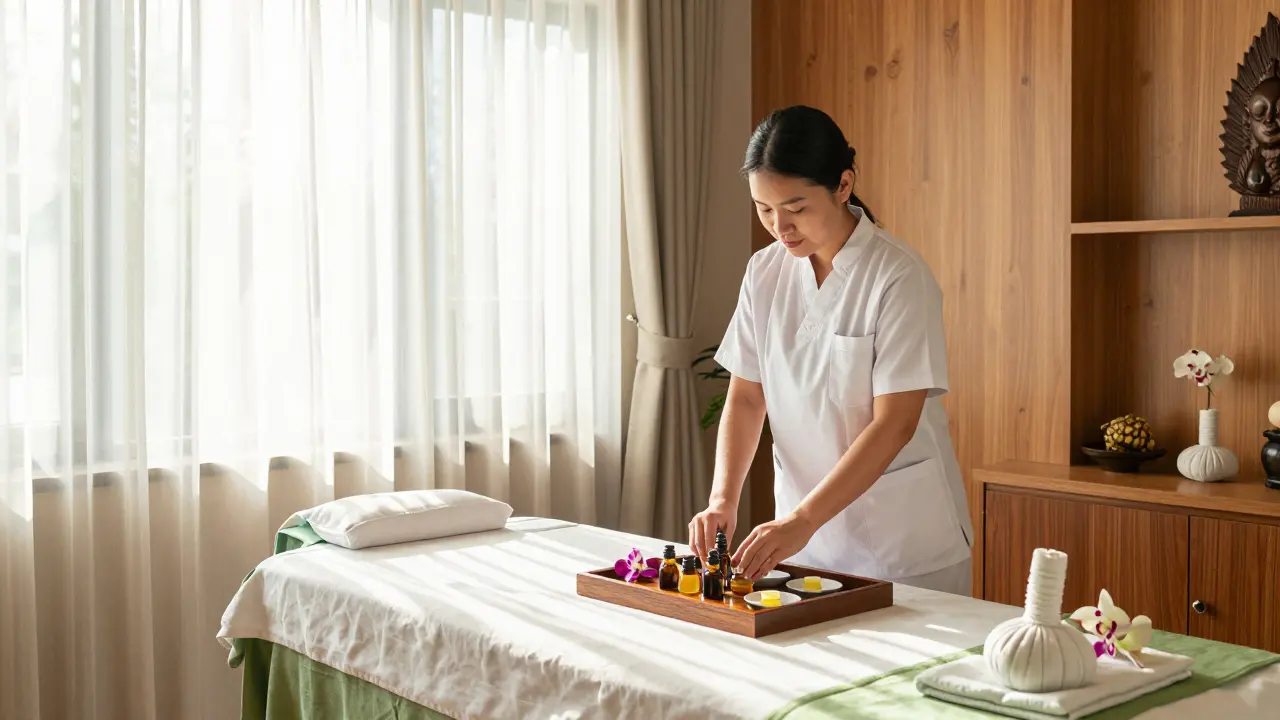
Thailand is the birthplace of traditional Thai massage, recognized by UNESCO as Intangible Cultural Heritage. This practice focuses on energy lines, acupressure, and stretching. It is therapeutic, not erotic. Reputable spas employ certified therapists who undergo years of training. The atmosphere is calm, with soft music and herbal scents. You leave feeling relaxed and physically restored, not anxious or exploited.
Finding a legitimate spa is easier than you might think. Look for places with clear pricing displayed outside. Staff should wear uniforms and maintain professional boundaries. Avoid locations with dark windows, aggressive touts, or suggestive signage. Popular chains like Health Land, Let’s Relax, and Absolute Yoga offer consistent quality across multiple branches. They accept credit cards and provide receipts, which adds a layer of accountability.
How to Spot a Legitimate Spa vs. a Front
You can identify red flags quickly. First, check the lighting. Legitimate spas are well-lit and open. Darkened rooms with locked doors signal illicit activity. Second, observe the staff behavior. Professional therapists greet you politely and explain the treatment. Aggressive sales tactics or vague descriptions are warning signs. Third, look at the clientele. If only tourists enter and no locals visit, question the authenticity.
Price is another indicator. Traditional Thai massage costs between 300 to 600 baht per hour in reputable venues. Offers significantly cheaper than this likely cut corners on hygiene or legality. Conversely, extremely high prices in sketchy areas indicate a scam setup. Research reviews on trusted platforms like TripAdvisor or Google Maps. Pay attention to comments about cleanliness, professionalism, and transparency.
Safety Tips for Nightlife Exploration
If you still want to experience Bangkok’s vibrant nightlife, do so safely. Stick to established bars and clubs in areas like Thong Lor or Ekkamai. These neighborhoods cater to expats and professionals, offering a safer environment. Use registered taxis or ride-hailing apps like Grab instead of accepting rides from strangers. Share your location with a friend or family member back home.
Avoid walking alone in poorly lit alleys. Keep your phone charged and accessible. Learn basic Thai phrases for emergencies, such as "help" (chao dai khun mai) and "police" (phor sai). Having local emergency numbers saved can speed up assistance if needed. Remember that consent applies everywhere. Any unwanted touch or advance should be met with firm refusal and immediate departure.
For those seeking companionship without legal risks, consider social events. Bangkok hosts numerous meetups for travelers, language exchanges, and cultural workshops. These settings allow natural interactions based on mutual interest. Platforms dedicated to connecting people, such as those discussing escort Bangkok services, often blur ethical lines. Opt for community-driven activities that respect local laws and personal boundaries.
Alternatives for Relaxation and Connection
Thailand offers countless ways to unwind legally and ethically. Herbal steam baths soothe muscles using aromatic plants. Foot massages relieve tension from walking on hot pavement. Muay Thai gyms welcome beginners for fitness classes, providing a structured way to engage with locals. Cooking schools teach traditional recipes, fostering cultural exchange through food.
Wellness retreats in nearby provinces like Chiang Mai or Koh Samui combine yoga, meditation, and holistic therapies. These destinations emphasize mental clarity and physical health. Many resorts include guided tours of temples or nature reserves, enriching your understanding of Thai culture. Investing in these experiences yields lasting memories rather than regrettable mistakes.
Is it safe to go to massage parlors in Bangkok?
It depends on the establishment. Reputable spas are safe and hygienic. Venues advertising illegal services pose legal, health, and financial risks. Always choose licensed businesses with transparent pricing and positive reviews.
What happens if I get caught in a police raid?
You will be detained, fined, and potentially deported. Your passport may be confiscated temporarily. Immigration records will note the incident, affecting future travel to Thailand and possibly other countries.
How can I tell if a massage parlor is legitimate?
Look for bright lighting, uniformed staff, posted menus, and acceptance of credit cards. Avoid places with aggressive touts, dark interiors, or suggestive advertisements. Check online reviews for consistency.
Are there health risks associated with illegal massage parlors?
Yes. Poor hygiene increases infection risks. Unprotected contact can transmit STIs. Tampering with substances is also a documented threat. Prioritize venues adhering to health regulations.
What are some safe alternatives for relaxation in Bangkok?
Try traditional Thai massage at certified spas, herbal steam baths, foot reflexology, or wellness retreats. Engage in cultural activities like cooking classes or temple visits for meaningful connections.
Write a comment