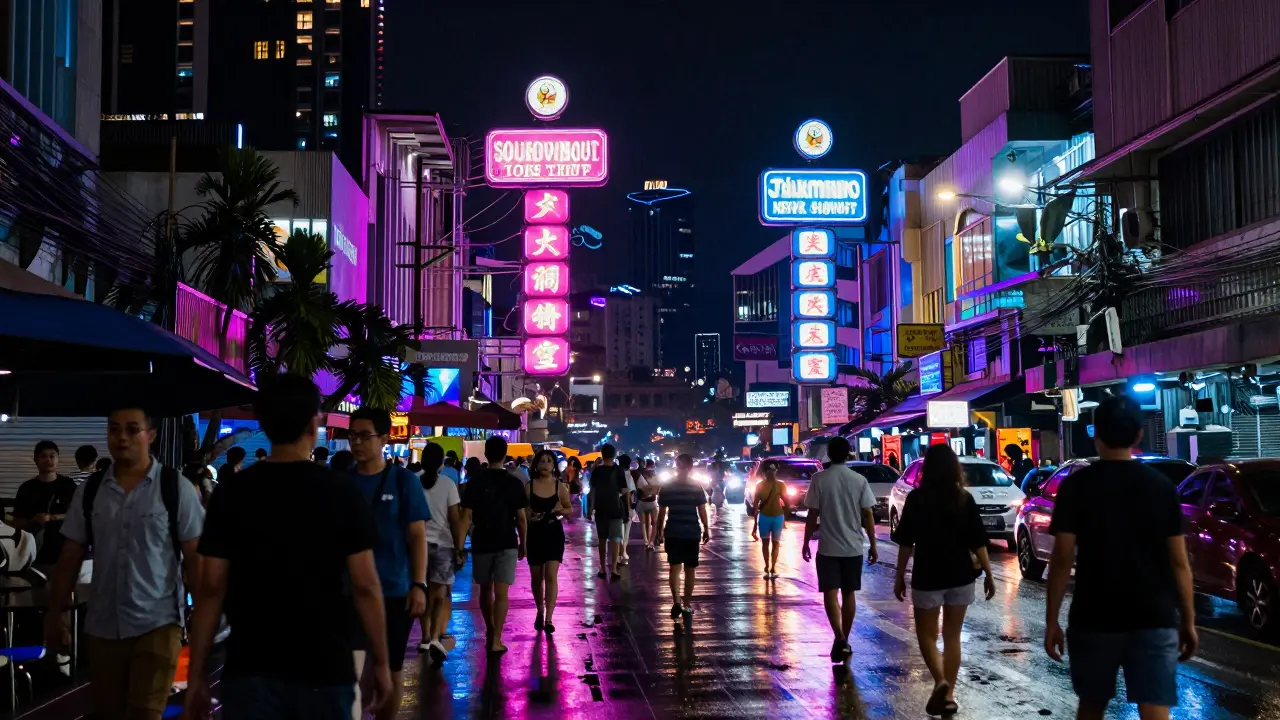
Bangkok is a city that never sleeps. The neon lights of Soi Cowboy pulse with energy, the boats on Khao San Road are packed until dawn, and the street food stalls serve up flavors you won't find anywhere else. For millions of travelers, it's the ultimate adventure destination. But beneath the vibrant surface lies a complex web of tourism, local culture, and potential risks that every visitor needs to understand before they step off the plane.
If you're planning a trip to Thailand, your biggest challenge isn't finding something to do-it's navigating the social landscape safely and respectfully. The city offers world-class temples, incredible shopping, and a nightlife scene that rivals any major metropolis. However, misunderstanding local norms or falling for common tourist traps can turn a dream vacation into a nightmare. This guide breaks down what you actually need to know about Bangkok's entertainment districts, how to stay safe, and how to experience the city like a smart traveler rather than an easy target.
Understanding Bangkok's Entertainment Zones
To navigate the city effectively, you first need to know where the action happens. Bangkok’s nightlife is concentrated in specific areas, each with its own vibe and crowd. Knowing the difference between them helps you avoid areas that might not match your interests or comfort level.
Pattaya-style vs. Bangkok Style: While Pattaya is known for being more overtly adult-oriented, Bangkok blends high-end clubs, rooftop bars, and go-go bars into a mixier environment. The three main hubs you'll hear about are Nana Plaza, Soi Cowboy, and Patpong.
- Nana Plaza: Located in the Sukhumvit area, this multi-story building houses dozens of go-go bars. It’s loud, crowded, and very much geared toward tourists looking for a specific type of night out. Prices here are generally higher because of the location near BTS stations.
- Soi Cowboy: Just a few blocks from Nana, this short side street is lined with neon-lit bars. It feels slightly more "touristy" and less gritty than some other areas, but it still operates on similar principles. Cover charges are common, and drink prices are steep.
- Patpong: Located in Silom, this is one of the oldest red-light districts. It has a more chaotic, open-air feel compared to the enclosed buildings of Sukhumvit. It’s often visited by tour groups, which means the atmosphere can be less authentic and more performative.
It’s important to note that while these areas are legal parts of the city’s economy, they operate in a gray area regarding prostitution laws. Thailand technically bans prostitution, yet it remains a visible part of the nightlife industry. As a visitor, understanding this contradiction helps you set realistic expectations and avoid legal trouble.
The Reality of "Escort" Services and Scams
You’ll see ads everywhere-on websites, in magazines, and even handed out on the street. Many of these promise access to exclusive companionship services. A quick search might lead you to sites claiming to offer the best Bangkok escort services, but here’s the hard truth: most of these online listings are scams.
Scammers use stolen photos of models or influencers to lure tourists into paying upfront fees. Once you arrive at the meeting point, either no one shows up, or you’re led to a bar where you’re pressured into buying expensive drinks. In some cases, you might be taken to a remote location and robbed. These "advance fee" scams are rampant, and losing money is the least of your worries-personal safety is the real concern.
Legitimate dating apps exist, but they require genuine interaction and time. If a service promises instant access to someone for a flat fee without any prior communication, it’s almost certainly a trap. Smart travelers understand that human connection doesn’t come in a package deal sold through sketchy websites. Instead of chasing these leads, focus on meeting people in natural social settings like hostels, language exchange events, or reputable bars where conversation is the primary activity.
Safety First: How to Avoid Common Traps
Bangkok is generally safe for tourists, but vigilance is key. Here are the most common pitfalls and how to avoid them:
- The "Friendly" Local: You might meet someone who seems overly interested in you, inviting you to their favorite bar or club. Often, this person works with the venue and gets a commission on everything you spend. Always check the menu prices before ordering. If there’s no menu, walk away.
- Tuk-Tuk Drivers: Some drivers will offer cheap rides if you agree to visit a specific shop (usually gem stores or tailors). These shops charge inflated prices, and the driver gets a cut. Stick to ride-hailing apps like Grab or Bolt, or negotiate taxi fares firmly before getting in.
- Drink Spiking: Never leave your drink unattended. In crowded bars, it’s easy for someone to slip something into your beverage. Keep your eyes on your glass, and if you feel unusually dizzy or disoriented, seek help immediately from staff or trusted friends.
- Police Raids: Authorities occasionally raid nightlife establishments. If this happens, remain calm, follow instructions, and don’t resist. Having your passport copy handy (not the original) can speed up the process if you’re detained for questioning.
Always keep a digital and physical copy of your passport in separate places. Leave the original in your hotel safe unless you absolutely need it. This simple habit can save you hours of hassle if you lose it or get stopped by police.

Cultural Respect: What Locals Expect
Thailand is known as the "Land of Smiles," but that smile doesn’t mean locals are indifferent to disrespectful behavior. Thai culture places a high value on dignity, hierarchy, and public decorum. Ignoring these norms can lead to awkward confrontations or even legal issues.
Dress Code: When visiting temples, cover your shoulders and knees. Remove your shoes before entering homes or certain shops. Dressing modestly shows respect for local traditions and helps you blend in better.
The Royal Family: Criticizing or mocking the Thai monarchy is illegal under lèse-majesté laws. Penalties can include heavy fines or imprisonment. Even casual jokes about the royal family can have serious consequences. Stay informed and avoid political discussions unless you’re sure the context is appropriate.
Public Behavior: Public displays of affection, especially anything beyond holding hands, are frowned upon. Loud arguments or aggressive behavior draw negative attention. Keeping your cool and speaking softly goes a long way in maintaining positive interactions.
Respecting these customs isn’t just about avoiding trouble-it’s about enriching your experience. Locals appreciate visitors who make an effort to understand their culture, and you’ll likely receive warmer hospitality in return.
Alternatives to the Red-Light Scene
If you’re looking for fun without the risks associated with sex tourism, Bangkok has plenty to offer. The city’s nightlife is diverse, catering to all tastes and budgets.
| Activity | Location | Why Go? |
|---|---|---|
| Rooftop Bars | Silom, Sukhumvit | Stunning views of the skyline, great cocktails, and a sophisticated atmosphere. |
| Live Music Venues | Thong Lo, Ekkamai | Enjoy jazz, rock, or indie bands in intimate settings with local crowds. |
| Street Food Tours | Yaowarat (Chinatown) | Experience authentic Thai cuisine in a lively, safe environment. |
| Pub Crawls | Khao San Road | Meet fellow travelers in a backpacker-friendly zone with affordable drinks. |
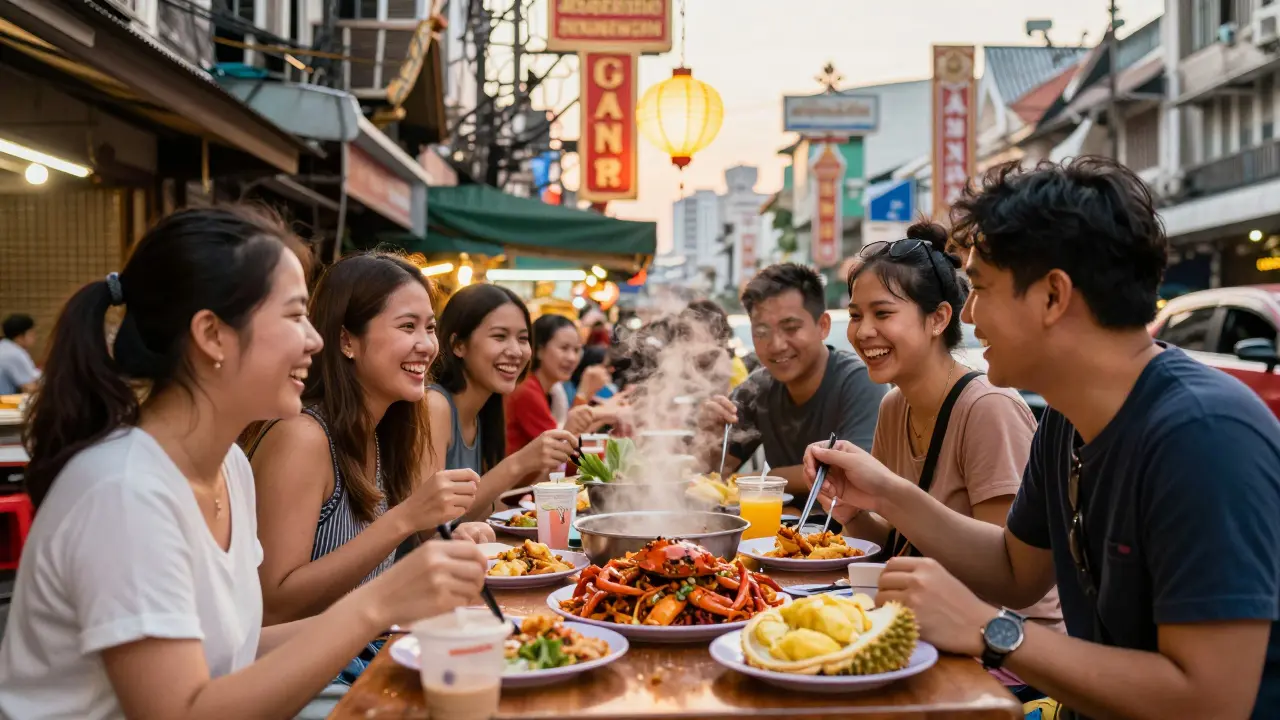
For example, the Thong Lo neighborhood is booming with upscale restaurants and chic bars where expats and young professionals hang out. It’s a great place to strike up conversations without the pressure of a transactional environment. Similarly, Chinatown comes alive at night with food stalls selling everything from durian pancakes to spicy crab. Walking around here is engaging, delicious, and completely free of the risks found in other districts.
Another option is joining organized tours or classes. Cooking classes, Muay Thai training sessions, or even Thai language lessons provide structured ways to interact with locals and other travelers. These activities build genuine connections based on shared interests rather than superficial encounters.
Legal and Ethical Considerations
Engaging in sexual activities with minors is strictly illegal in Thailand and carries severe penalties, including lengthy prison sentences. There is zero tolerance for this crime, and authorities work closely with international agencies to prosecute offenders. Additionally, many countries now prosecute their citizens for sex tourism abroad, meaning you could face charges when you return home.
Beyond the legal risks, there’s an ethical dimension to consider. The sex industry in Thailand is often linked to human trafficking and exploitation. By participating, even indirectly, you may be supporting systems that harm vulnerable individuals. Responsible travel means making choices that align with your values and minimize harm to others.
If you encounter situations that seem exploitative, report them to local authorities or international organizations like the International Labour Organization (ILO), which works to combat forced labor and trafficking in Southeast Asia. Being aware of these issues empowers you to make informed decisions and contribute positively to the communities you visit.
Planning Your Trip Responsibly
Before you go, research reliable transportation options, book accommodations in safe neighborhoods, and learn basic Thai phrases. Apps like Google Translate can help bridge language gaps, but knowing words like "thank you" (khob khun ka/krap) and "sorry" (khop khun) shows respect and goodwill.
Set a budget for your nights out and stick to it. Impulse spending in bars can add up quickly, especially when cover charges and minimum spends are involved. Carry small bills for tips and street vendors, and keep larger amounts secured.
Finally, listen to your instincts. If a situation feels off, trust that feeling and remove yourself from it. No experience is worth compromising your safety or dignity. Bangkok rewards those who approach it with curiosity, caution, and cultural sensitivity. By focusing on authentic experiences and avoiding risky shortcuts, you’ll create memories that last far longer than any fleeting encounter.
Is it safe to walk alone at night in Bangkok?
Generally, yes, in well-lit and busy areas like Sukhumvit or Silom. However, avoid isolated streets, especially in red-light districts after midnight. Use ride-hailing apps instead of walking long distances late at night.
What should I do if I’m approached by a scammer?
Politely decline and walk away. Do not engage in arguments or show aggression. If you feel threatened, move toward a crowded area or enter a nearby shop for assistance.
Are go-go bars legal in Bangkok?
The bars themselves are licensed entertainment venues, but prostitution is illegal. Enforcement varies, so while you won’t be arrested just for entering, engaging in illegal activities can lead to detention.
How can I meet locals authentically?
Join interest-based groups, take cooking classes, volunteer, or attend cultural festivals. These settings encourage meaningful interactions without the commercial pressures of nightlife districts.
What are the best neighborhoods for tourists?
Sukhumvit offers convenience and nightlife, Khao San Road is ideal for budget travelers, and Ari provides a quieter, residential vibe with great cafes and markets.
Write a comment